
Quantum computing and parallel universes have emerged as intriguing topics at the intersection of physics and technology. The concept of parallel universes, proposed to explain quantum phenomena, suggests the existence of multiple universes where every quantum event outcome is realized. This many-worlds interpretation (MWI) implies a vast multiverse coexisting with our reality.
Quantum computing, on the other hand, leverages quantum mechanics principles to perform calculations at unprecedented speeds. The field of quantum computing is rapidly evolving, with qubits, the quantum counterparts of classical bits, enabling superposition states where they can represent both 0 and 1 simultaneously. Despite challenges like decoherence and error rates, progress in quantum computing by companies like IBM and Google is promising.

The pioneers of multiverse theory, including Hugh Everett III, Andrei Linde, and Max Tegmark, have proposed various multiverse classifications. Everett’s MWI, Linde’s eternal inflation theory, and Tegmark’s multiverse levels have expanded our understanding of the universe’s potential complexities and alternative realities.
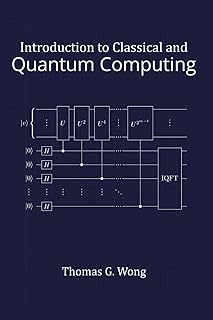
The MWI’s significance lies in its radical departure from traditional quantum interpretations, suggesting the existence of countless parallel universes where all quantum outcomes are realized. While critics question its testability and probabilistic implications, the MWI offers a unique perspective on reality and quantum mechanics.

Quantum superposition, entanglement, and interference are fundamental quantum effects driving the computational power of quantum computers. These effects enable qubits to process vast possibilities simultaneously, challenging conventional computing limits.

Exploring the connection between quantum computing and parallel universes reveals a philosophical link through quantum superposition. While speculative, quantum simulation using quantum computers could potentially shed light on parallel universes, if feasible. However, the untestable nature of parallel universes remains a significant hurdle.
Quantum superposition’s role in parallel universes theory is pivotal, as it forms the basis for the MWI’s interpretation of multiple realities. Despite criticisms, the MWI provides a coherent explanation for quantum phenomena and has inspired new research directions in quantum computing and information theory.
The future implications of quantum computing for parallel universes exploration hold promise but require further research. Speculative ideas about using quantum computers to test the multiverse theory could revolutionize our understanding of the universe, provided empirical evidence can be obtained.
📰 Related Articles
- Exploring Parallel Universes: Quantum Physics’ Intriguing Frontier
- Researchers Unveil Quantum Reality Shift in Parallel Universes
- Physicists Debate Existence of Parallel Worlds in Quantum Theory
- Multiverse Finance: Navigating Parallel Universes for Strategic Investments
- Google Unveils Willow Chip: Quantum Leap in Multiverse Computing