
Marijuana, a plant with a five-thousand-year history, has woven its presence into some of the most peculiar events, inventions, and revelations throughout time. Let’s delve into ten bizarre instances where marijuana made its unexpected mark in history.

In 1981, the legendary Jamaican musician Bob Marley was laid to rest with a sprig of marijuana, a symbolic gesture reflecting his lifelong affinity for the herb. Marley’s unwavering support for marijuana transcended his passing, culminating in the establishment of “Marley Natural,” a controversial yet successful cannabis enterprise bearing his name.
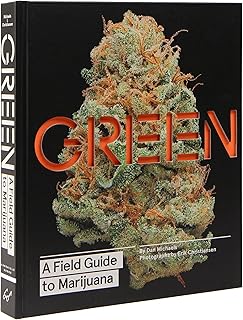
During the Cold War era from 1950 to 1975, the US Military conducted covert experiments, including testing the potent chemical dimethylheptylpyran, a substance akin to marijuana. This chemical, once intended as a synthetic replacement for THC, was deemed illegal due to its intense effects, categorizing it as a “Schedule 1” drug.

In the late 1990s, Bhutan, a nation historically devoid of television, experienced a cultural shift when introduced to TV. This newfound exposure triggered a surge in marijuana consumption, previously limited to pig feed, leading to a boom in illegal drug transactions.

Following the Chernobyl disaster in 1986, scientists employed phytoremediation to cleanse the contaminated soil, planting cannabis due to its remarkable ability to absorb toxins. The plant’s extensive roots and chemical absorption properties made it a logical choice for soil remediation.
A study on Shakespeare’s pipe fragments unveiled traces of cannabis, hinting at the playwright’s potential indulgence in the herb. This discovery sheds light on the prevalent use of various plants among individuals of Shakespeare’s social stature during that period.

In a modern twist, the iconic Hollywood sign was playfully altered to read “Hollyweed” twice, once in 1976 and again in 2017, reflecting California’s fluctuating marijuana laws. The state, known for its progressive stance on cannabis, has oscillated between strict regulations and liberal views over the years.
India’s Holi festival, a vibrant celebration of spring, features the tradition of consuming “bhang,” a cannabis-derived compound used in Thandai, a revered festival drink. Despite cannabis being illegal in India, the association between Holi and bhang endures as a cultural and religious practice.
China’s ancient hemp fabric industry, dating back to 2000 B.C., flourished globally, with hemp textiles being a prized commodity along the Silk Road. Recent innovations in hemp fabric production have birthed seven new varieties that meet international standards while preserving the fabric’s original texture.
In Italy, Rastafarians, adherents of a Jamaican religious movement, were granted immunity from marijuana possession laws due to the plant’s sacramental significance within their faith. The court ruling exempting Rastafarians from marijuana laws highlighted the interplay between religious freedoms and legal constraints.
In a groundbreaking transaction in 1971, the first item sold on the Internet was marijuana, marking a pivotal moment in digital history. This sale, conducted via the precursor to the Internet known as ARPANET, underscores the evolving landscape of online commerce and technological advancements.
📰 Related Articles
- War Of Ages: Top 10 Christian Metal Songs Revealed
- Top 10 Black Metal Festivals for 2023 Revealed
- TechRadar’s Top 10 Electric Bikes for 2025 Revealed
- Gold Coast’s Top 10 Most Viewed Luxury Properties Revealed
- Diverse AI Newsletters in 2025: Top 10 Revealed