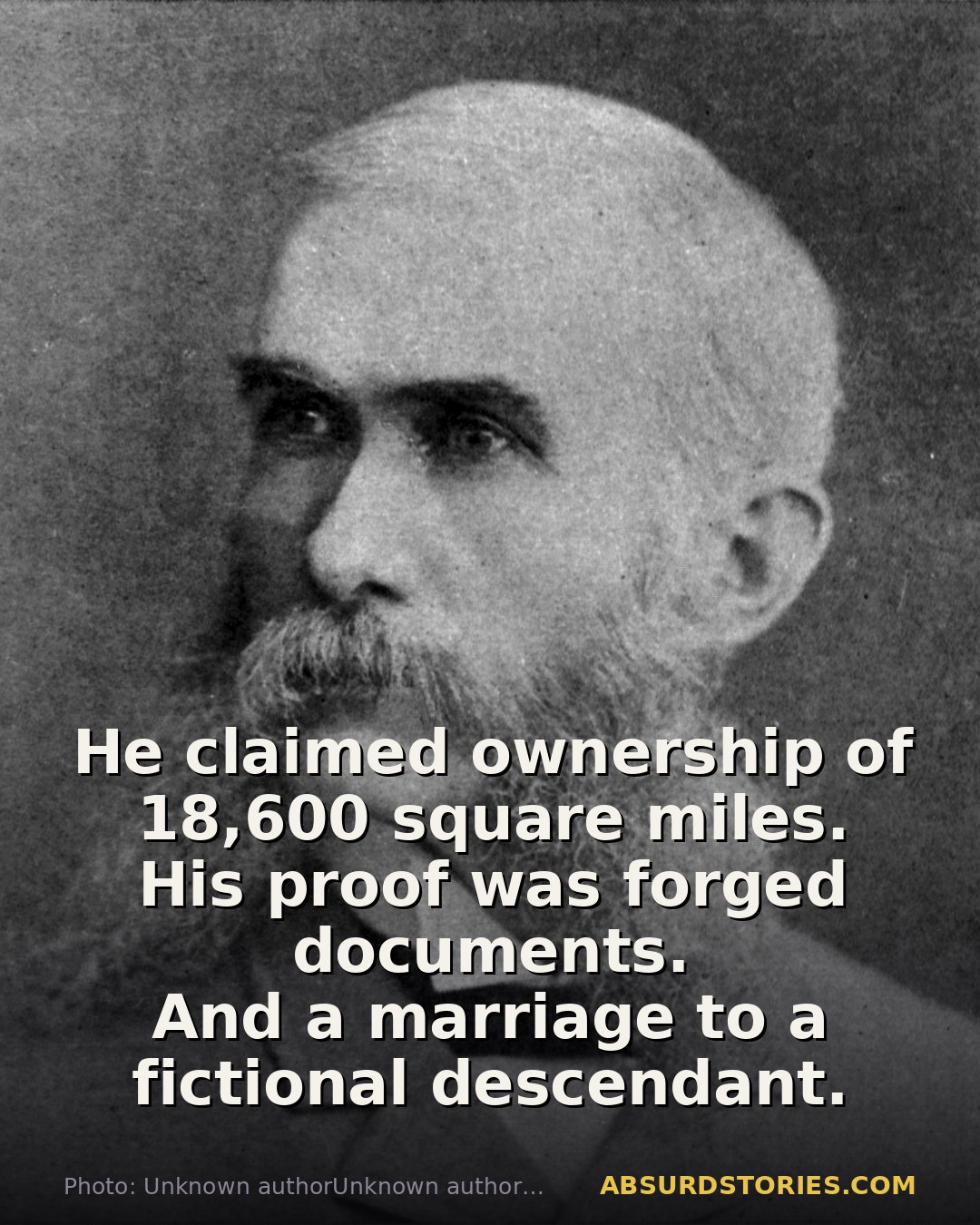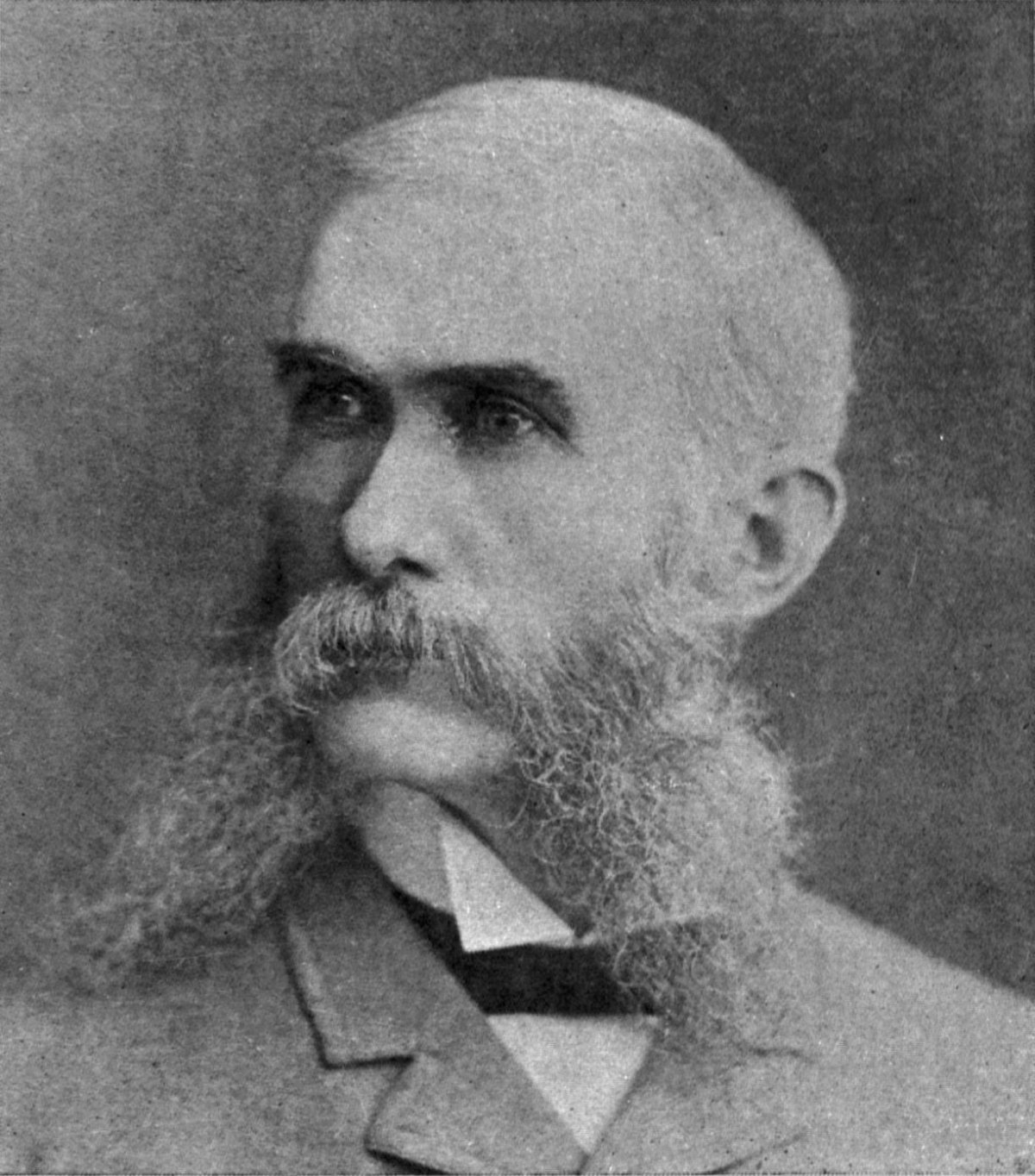
One man, known later as the Baron of Arizona, attempted to claim nearly 19,000 square miles of land. His strategy? A web of forged documents and a fabricated lineage.
James Reavis, an American forger, first concocted a fictional land grant based on Spanish and Mexican treaties. He managed to produce convincing documentation that he claimed came from a deceased landowner.
To bolster his fraudulent claims, Reavis married the supposed last descendant of the original grant holder. This maneuver was intended to lend historical legitimacy to his assertions.
Reavis’s efforts attracted the attention of prominent supporters, including influential politicians and businessmen. Notably, he gathered legal backing and financial resources that helped him push forward his ambitious scam.
Initially, the scheme seemed to work. Reavis's claims were taken seriously enough that he amassed millions in cash and promissory notes while selling quitclaims to unsuspecting investors.
However, an unfavorable surveyor general report eventually exposed his deception. The claim was dismissed, but Reavis responded by suing the U.S. government for damages, further unraveling his elaborate ruse.
The subsequent investigation laid bare the forgeries that Reavis had meticulously planted in various archives. His grand fraud crumbled under scrutiny, revealing the absurdity of his ambitious schemes.
In the end, the Baron of Arizona's attempt to seize vast lands through deception serves as a surreal chapter in American history.