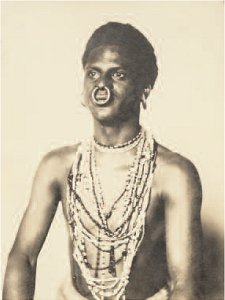
Image: w:University of Pennsylvania Museum of Archaeology and Anthropology — Public domainIn a twist of identity, Bata LoBagola, originally named Joseph Howard Lee, created a persona as an African native. Born in Baltimore, he presented himself as a fascinating figure from a region supposedly untouched by Europeans. His life was marked by poverty and scandal, particularly due to arrests related to homosexual activities involving minors.
LoBagola's colorful career took off as he posed as an African "savage." He was not just an entertainer but also a speaker, delivering lectures and engaging in public debates. His compelling performances captivated audiences, as he spun tales of exotic customs and life in Africa, despite his actual background.
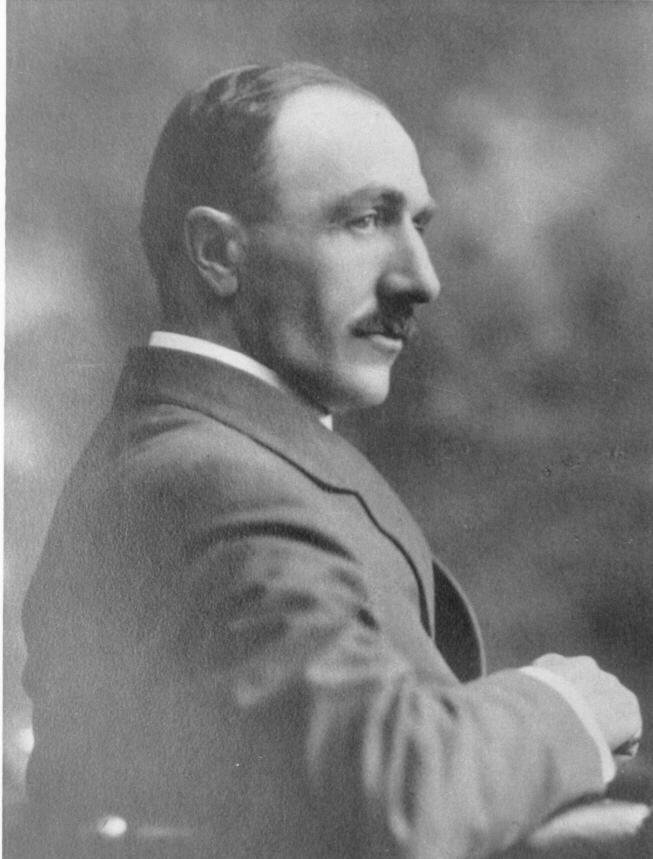
In 1929, he published articles in Scribner's Magazine, which caught the attention of A.A. Knopf. The publisher saw an opportunity in the popularity of exotic narratives and decided to release a book titled "LoBagola; an African Savage's Own Story." The book was filled with his unique observations and adventures, presented in the form of a pseudo-biography that reflected the era’s fascination with the unknown.
LoBagola identified as a "Black Jew," claiming descent from people fleeing the Holy Land post-Herod's Temple destruction. His narrative was crafted to fit the exotic image he portrayed, gaining traction within the cultural milieu of the time.
Despite his adventurous life, LoBagola's story ended in tragedy. He died in Attica Prison in 1947 from pulmonary edema, with months left on his sentence. His final resting place was in the prison cemetery, marking the end of a life filled with deception and intrigue.