Imagine a city that many believe doesn’t exist at all. This is the essence of the Bielefeld conspiracy, a satirical theory stating that the German city of Bielefeld is just an illusion crafted by unknown forces. The theory first appeared in 1994 on a German Usenet group and quickly gained traction in various internet circles.
The conspiracy is built around three simple questions: Do you know anyone from Bielefeld? Have you ever been there? Do you know anyone who has ever been there? Most people answer no to all three, raising the suspicion of a grand cover-up. Anyone who claims otherwise is dismissed as either being part of the conspiracy or having been misled.
Although initially intended as a joke, the Bielefeld conspiracy has evolved into a cultural phenomenon, poking fun at the city’s perceived lack of notable features and attractions. Even German Chancellor Angela Merkel has referenced it humorously in public speeches.
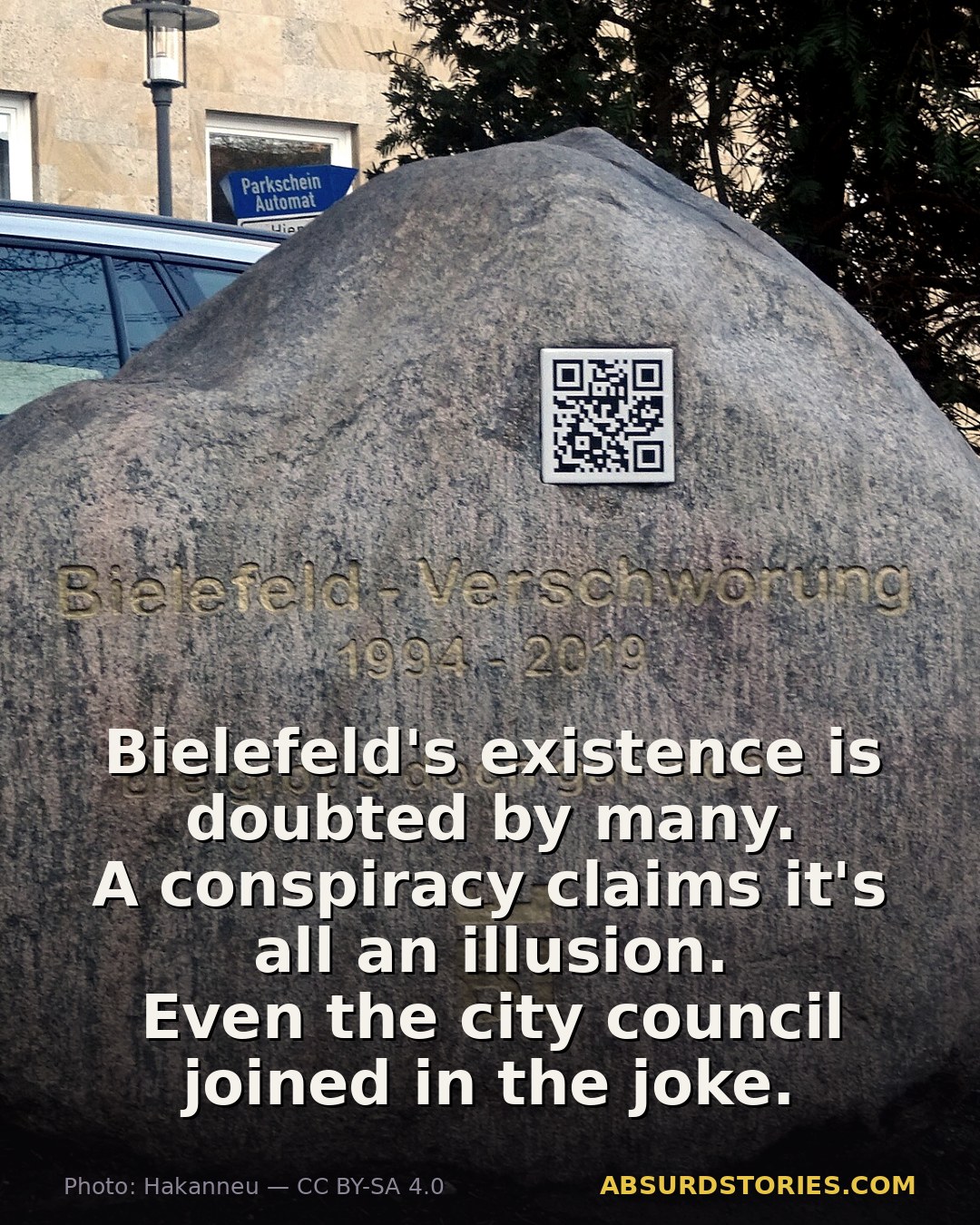
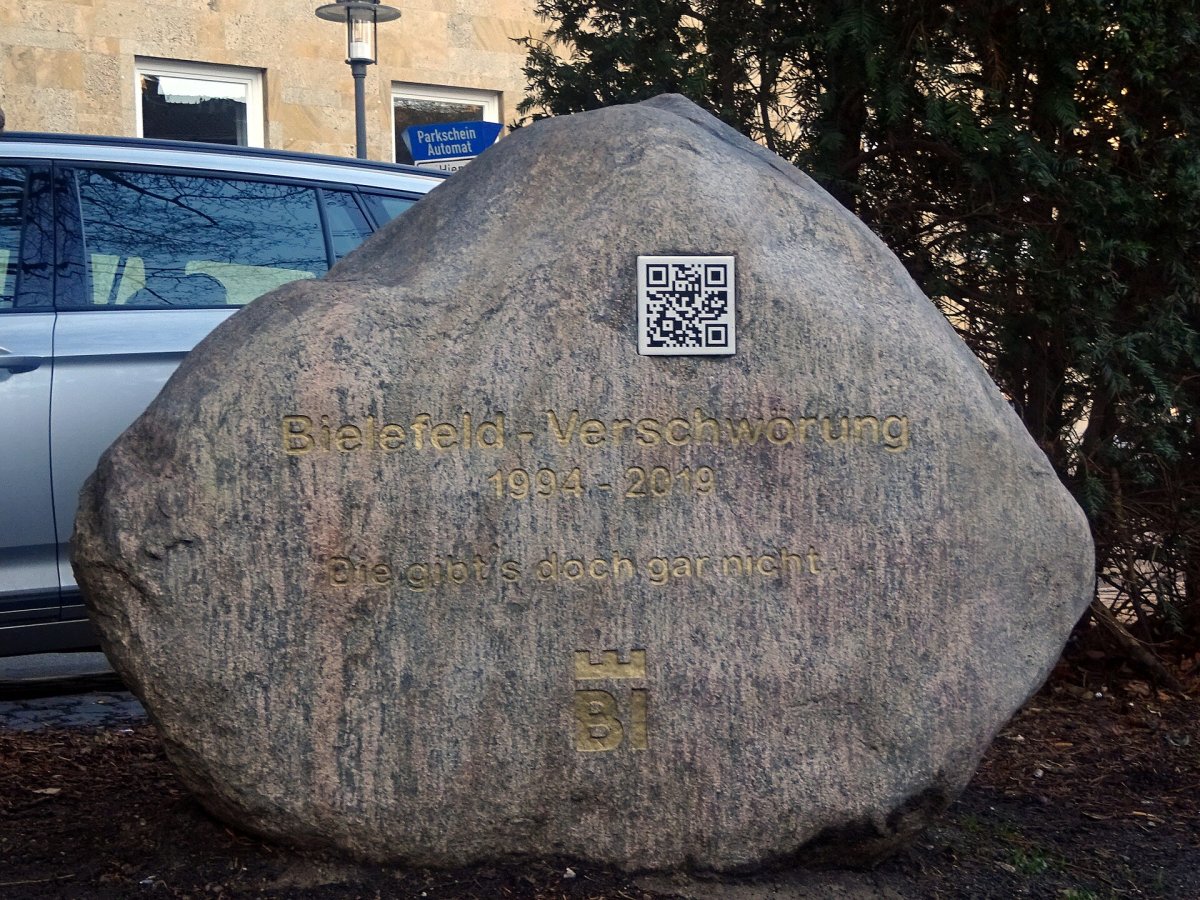
In an effort to combat this myth, the city council of Bielefeld has embraced the joke, even offering a substantial reward for anyone who can prove the city's nonexistence. They hosted events like the 800th anniversary celebration titled “Das gibt's doch gar nicht,” highlighting the absurdity of the situation.
The humor surrounding Bielefeld has inspired various creative projects, including a feature film developed by students from Bielefeld University. The film showcases the playful spirit of the conspiracy, combining satire with local pride.
In reality, Bielefeld does exist, with a population of over 340,000. The fact that a city can be the subject of such an elaborate conspiracy theory speaks to the absurdity of human belief and the power of social narratives. The city itself has embraced the joke, making it a part of its identity.
The Bielefeld conspiracy remains a curious blend of humor, skepticism, and social commentary—an illustration of how even the simplest ideas can capture the imagination and spark widespread intrigue.