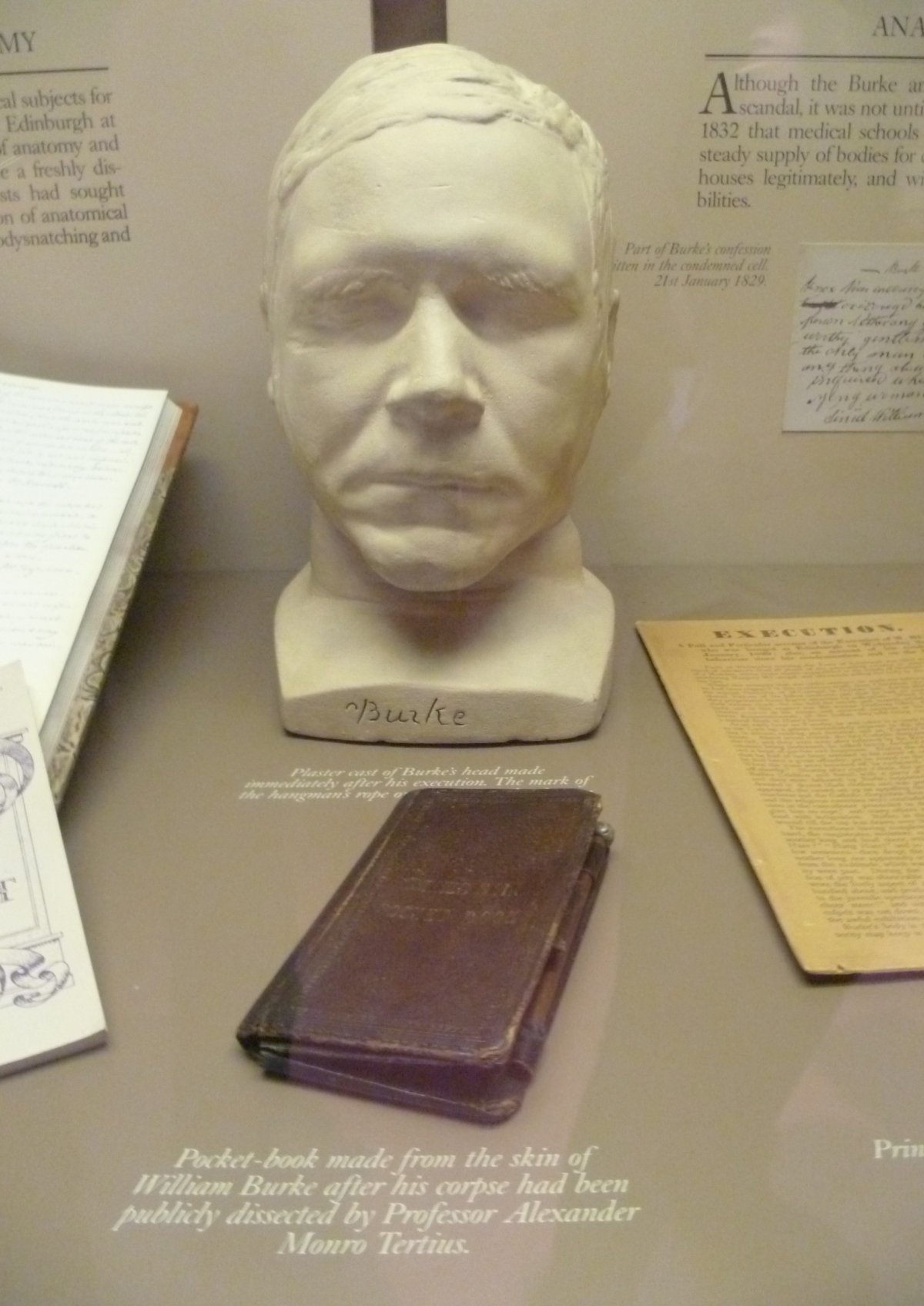
Imagine walking into a library and picking up a book that is literally bound in human skin. This is not a fictional horror tale, but a real practice known as anthropodermic bibliopegy. The term combines Greek roots meaning "human skin" and "bookbinding." The sheer existence of these books raises eyebrows and questions about their origins.
As of April 2022, an initiative called The Anthropodermic Book Project has examined a selection of these peculiar volumes. Out of the 50 books that were suspected to be bound in human skin, 31 have been examined, revealing that 18 were indeed confirmed as human. The remaining 13 turned out to be made from animal leather instead.
The history of anthropodermic bibliopegy can be traced back to various instances across centuries. One of the early known references to this practice dates back to 1710, when a traveler noted a book in Bremen, which was surprisingly bound in human leather. Such eerie bindings were often connected to themes of death, akin to the content of the books they held.
During the tumultuous times of the French Revolution, rumors circulated about tanneries specifically processing human skin. For instance, a volume that housed the French Constitution of 1793 was said to be made with such material. However, it was often difficult to authenticate these claims, as many bindings claimed to mimic human skin but were actually crafted from calf or other animal hides.
Many existing examples of human skin bindings were linked to medical professionals who had access to cadavers—particularly those of executed criminals. One notable case involved a book bound in the skin of a notorious murderer following his execution. This book, titled The Highwayman, was created by the criminal himself as a final request before his death.
Another curious example includes a work by the French astronomer Camille Flammarion, purportedly bound in the skin of a female admirer. This anecdote, while intriguing, also highlights the murky boundaries between fact and fiction in the realm of anthropodermic bibliopegy.
Over time, attempts to identify human skin bindings have utilized various methods, including examining hair follicle patterns. Such identification methods face challenges due to the alterations in skin texture that occur during the tanning process, making it difficult to distinguish between human and animal leather.
Despite the morbid nature of their bindings, these books invite fascination and horror in equal measure. They serve as a reminder of the intersections between literature, history, and the human body.