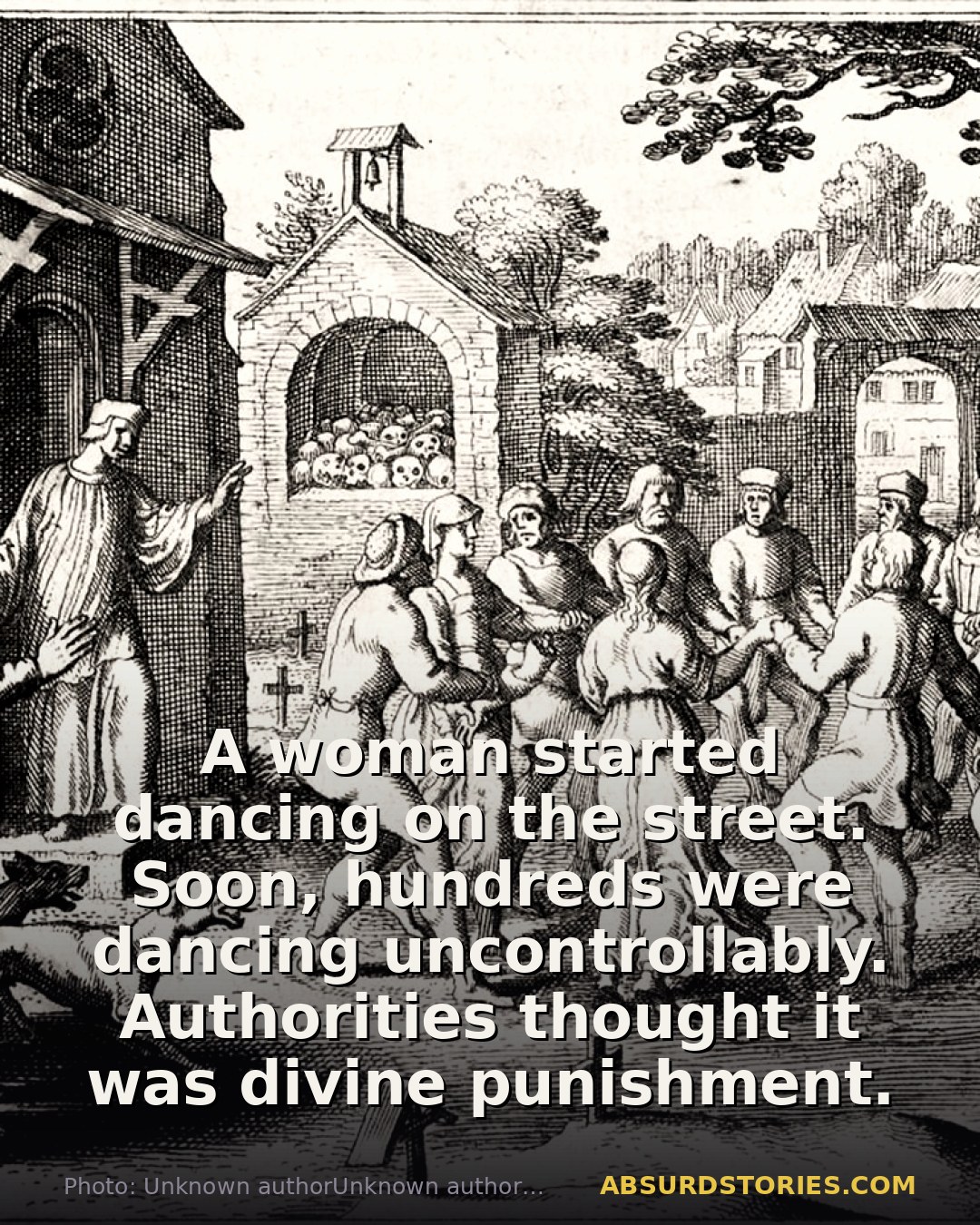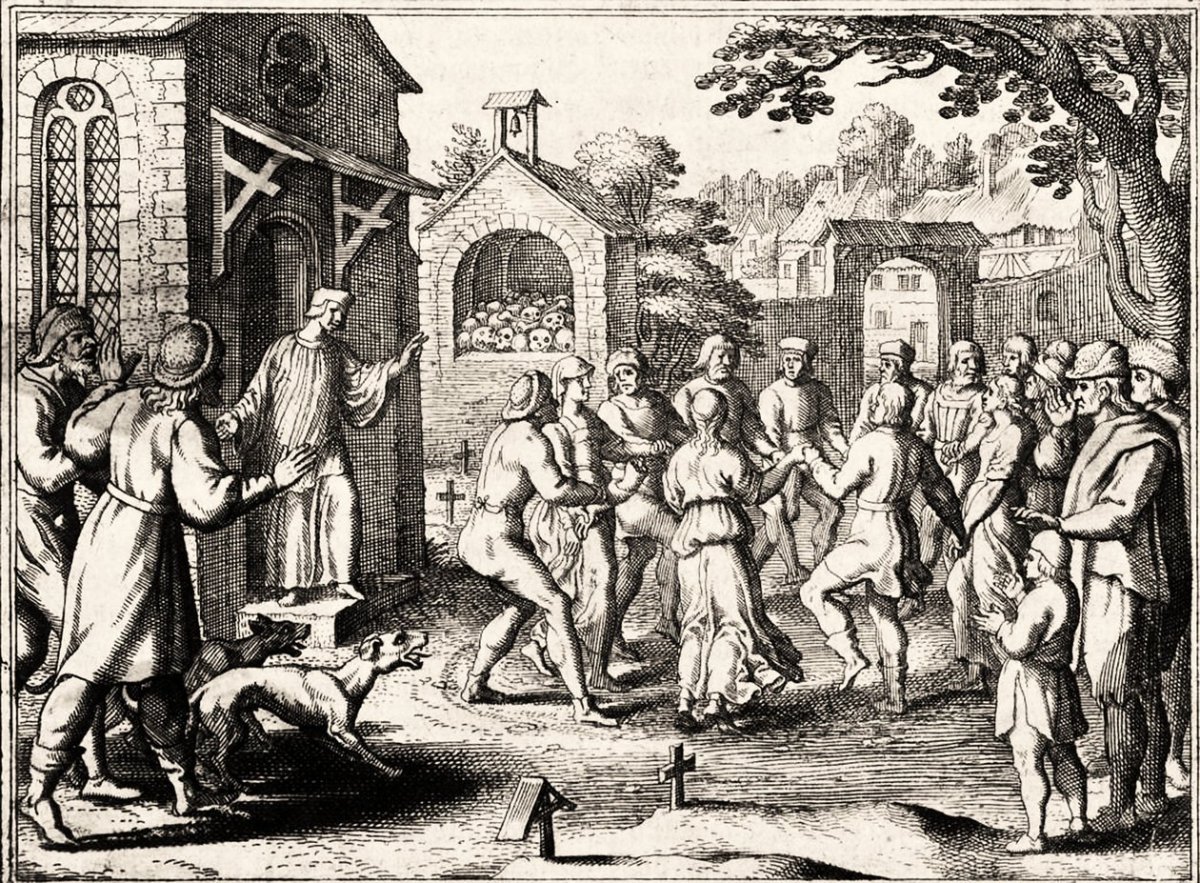
The summer of 1518 brought an unusual phenomenon to Strasbourg. It began with a woman who started dancing furiously in the streets. Within days, her fervent movements attracted a crowd.
Initially, it was only Frau Troffea and her daughter. Their uncontrollable dancing soon inspired dozens more to join in. Before long, hundreds of people were dancing without an apparent reason. The scene was chaotic, as many danced until they collapsed from exhaustion.
Witnesses described the dancers' movements as spasmatic. They reportedly danced for days on end, drenched in sweat, some crying for help. Many collapsed from extreme fatigue, and there were claims of fatalities during this bizarre event.
Historical records indicate that local authorities were unable to ascertain the cause of this epidemic. Physicians were consulted, and some suggested that the dancers simply needed to dance out the affliction. This approach proved ineffective, prompting the city council to take drastic measures.
Authorities attempted to control the situation by banning public music, believing the music might be inciting the dancing. They also directed dancers to a shrine dedicated to Saint Vitus, as it was thought that divine intervention could alleviate their condition. Dancers participated in rituals involving crosses and holy water in hopes of gaining forgiveness.
Despite these attempts, the epidemic continued for weeks, leaving many bewildered. Some witnesses believed that the dancers were under a form of divine punishment while others thought it could be caused by ergot poisoning, linked to contaminated food.
As the summer progressed, the numbers began to dwindle, and by September, the outbreak subsided. The dancers were led to a mountaintop chapel to pray for absolution. The phenomenon remains a curious chapter in history, with historians still debating the causes and consequences of this strange occurrence.
What started with a single dancer spiraled into a mass phenomenon, leaving a lasting imprint on the collective memory of Strasbourg.