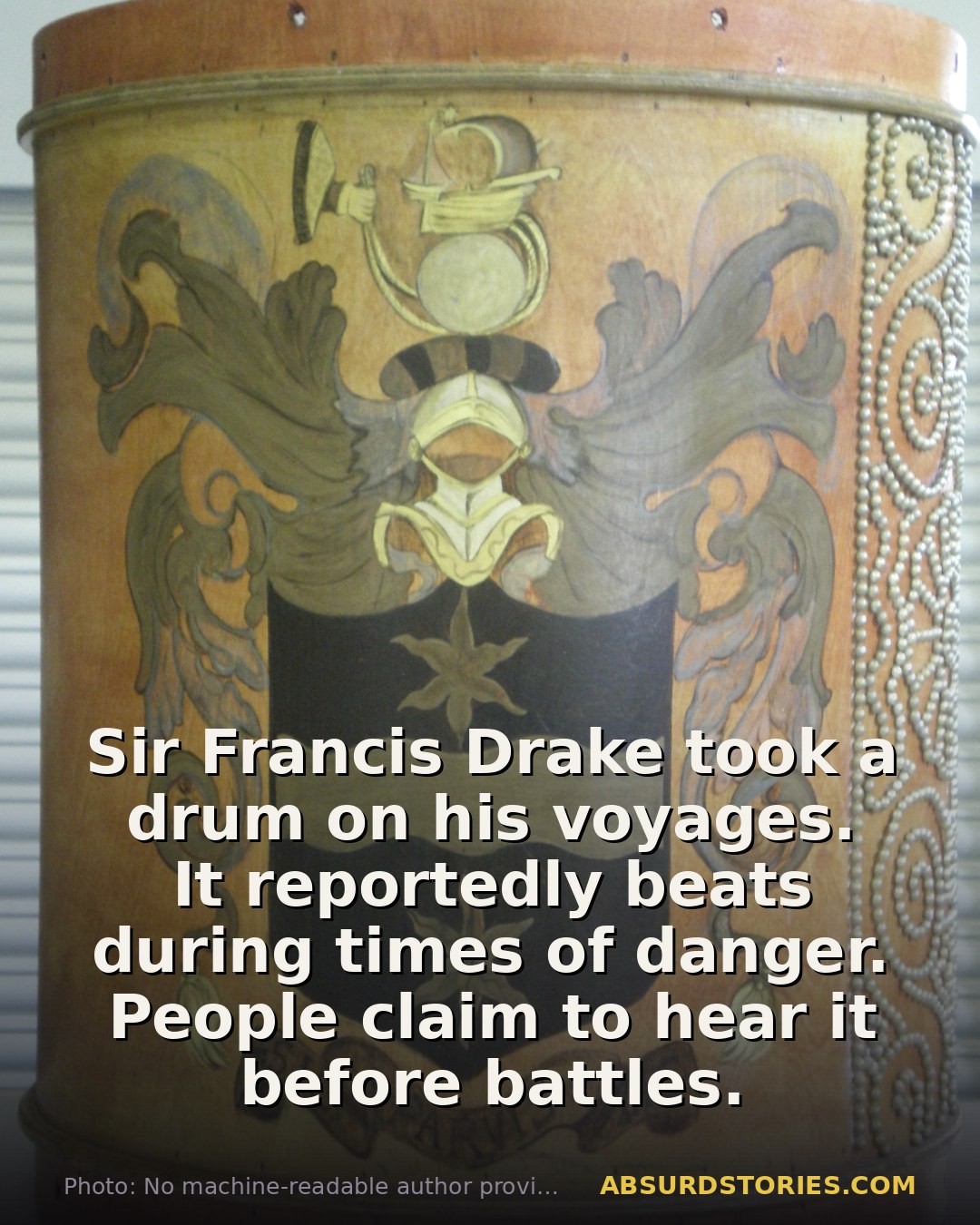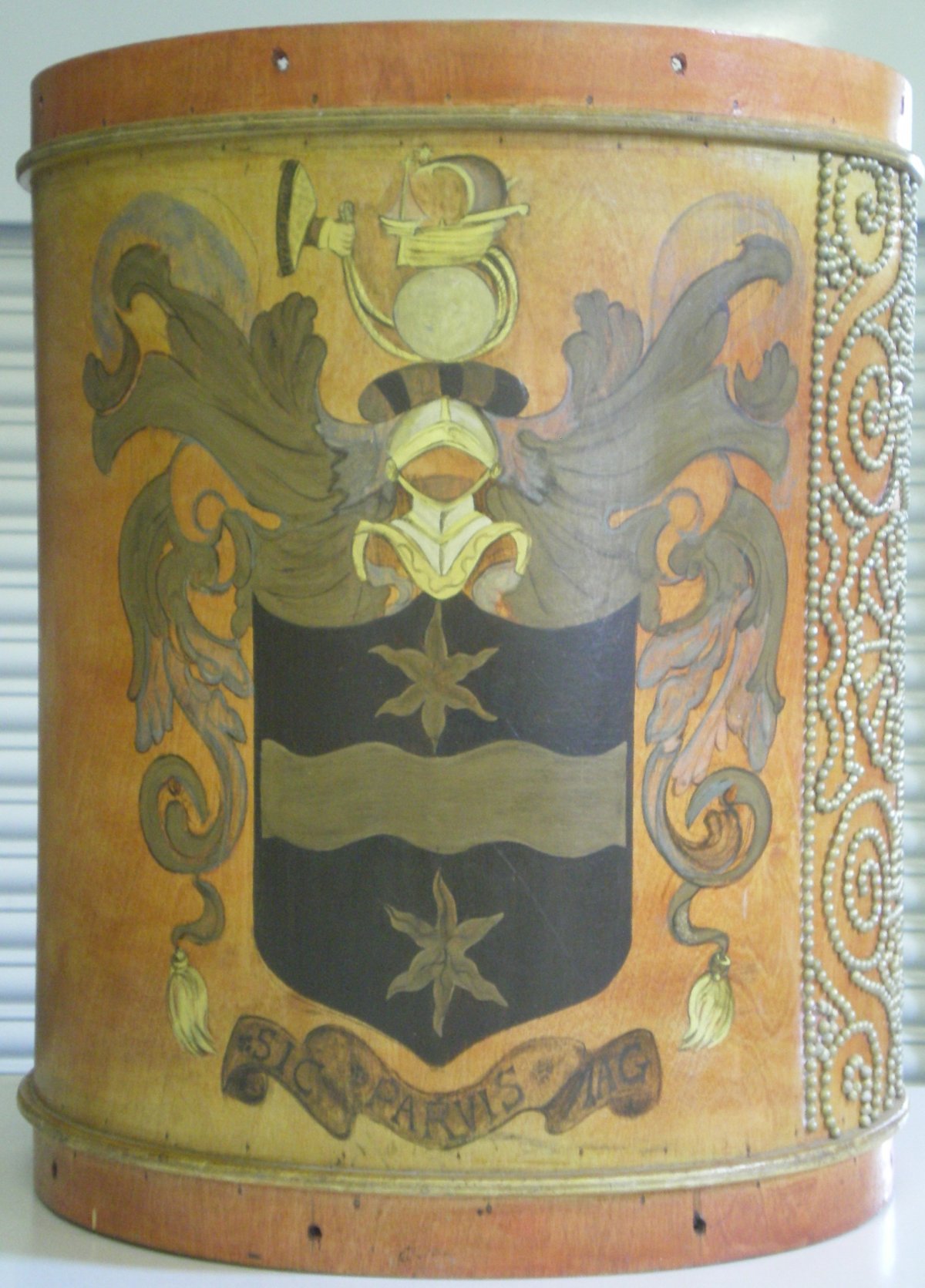
A snare drum, once owned by Sir Francis Drake, carries a remarkable legend. This drum accompanied him on his voyages around the world in the late 16th century. Before he died, he directed that it be taken to Buckland Abbey. He vowed that if England faced peril, the drum would be beaten to summon him back from the afterlife to defend the realm.
According to accounts, the drum is emblazoned with Drake’s coat of arms and has become an iconic symbol of English folklore. Its mythical qualities have led to numerous claims of its sound being heard during pivotal moments in history. Reports exist of the drum resounding when the Mayflower departed for America, during the honors for Admiral Nelson, and even when Napoleon arrived in Plymouth as a prisoner.
During World War I, in 1914, people claimed to hear its beat as the world plunged into conflict. Strangely, on the HMS Royal Oak, a drum roll was reported at the moment of the Imperial German Navy’s surrender in 1918, despite no drum being found on board. This led to speculation that the legendary drum had made its presence known once again.
In 1938, an unfortunate fire at Buckland Abbey resulted in the drum being rescued. Shortly after, air raids devastated Plymouth, lending credence to a legend that the city would fall if the drum was removed from its rightful place. The drum was returned, and the city remained safe throughout the war.
The drum’s echo was last reported during the Dunkirk evacuation in 1940, further intertwining it with England's military history. It has inspired various works of literature and music, cementing its place in cultural memory.
The drum, now a replica on display, continues to be a heartfelt reminder of its storied past. Its legendary status remains, with tales of its sound serving as a call to action for those who believe in its power.