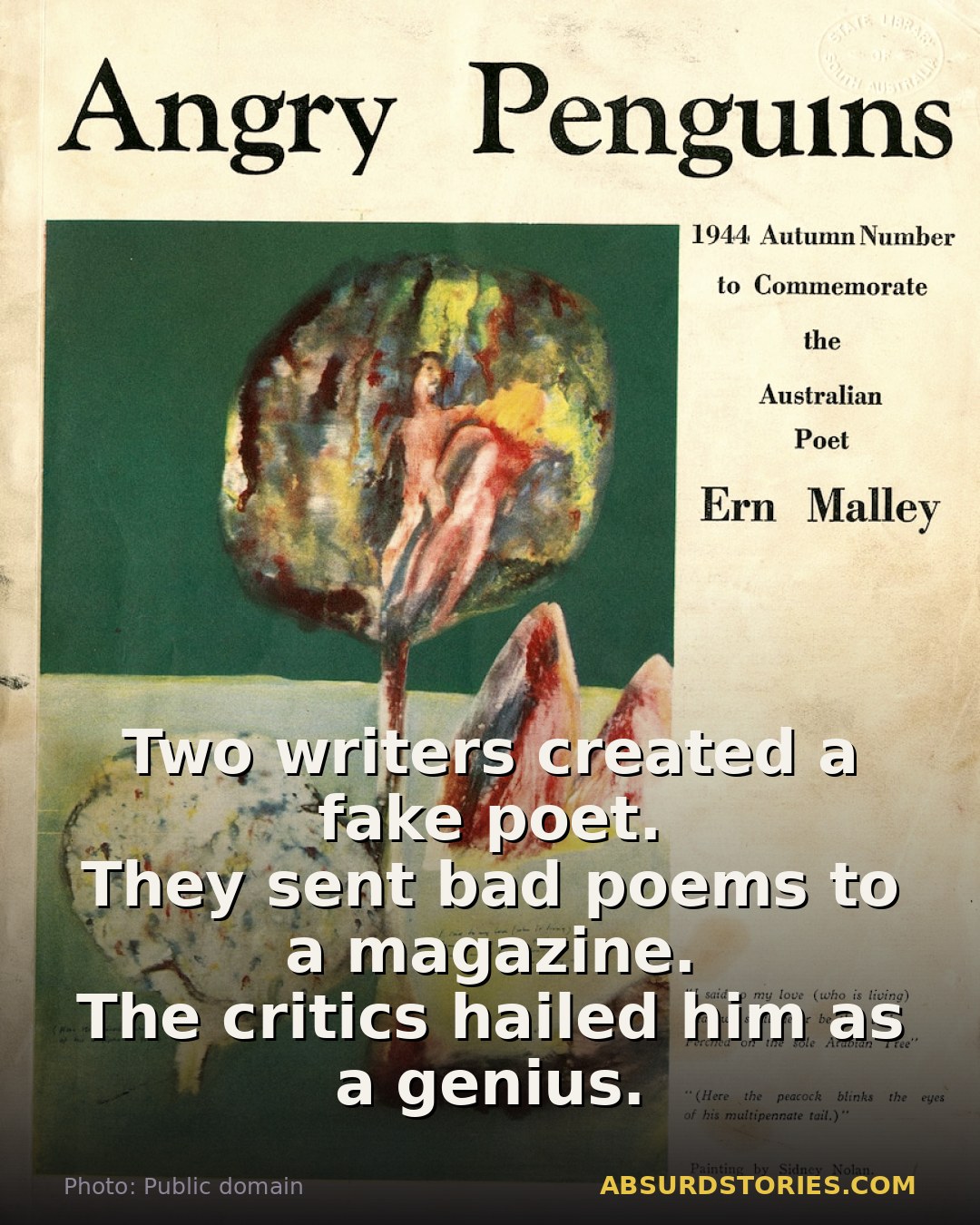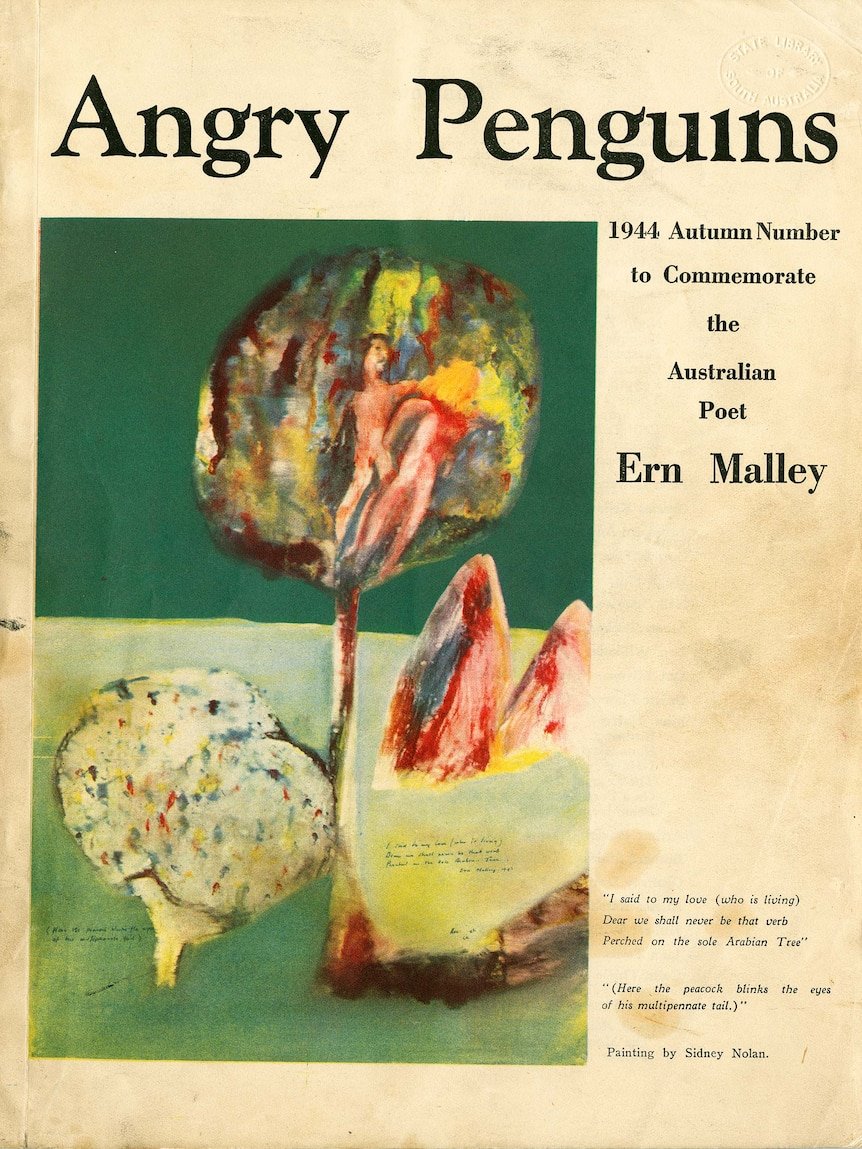
In an outrageous turn of events in 1943, two writers devised an elaborate scheme to fool the literary community. They invented a fictitious poet named Ern Malley, creating his entire biography and a collection of poems in a single day. Their goal was to deceive the modernist Angry Penguins movement, which they detested.
The hoaxers, James McAuley and Harold Stewart, crafted what they believed was terrible poetry designed to mimic the modernist style. They mailed sixteen poems to Max Harris, editor of Angry Penguins, claiming to be Malley's sister, Ethel. To their astonishment, Harris and his peers fell for the ruse completely, heralding Malley as a literary genius and dedicating an issue of their magazine to him.
When the truth surfaced, it sparked a scandal, leading to a trial where Harris was convicted and fined for obscenity due to the content of the poems. This bizarre incident not only humiliated Harris but also marked a significant setback for modernist poetry in Australia.
Despite its deceptive origins, the Ern Malley poems later gained recognition as surrealist works. In the decades following the hoax, many celebrated them, and they attracted attention from notable poets and critics. The very poems that were once seen as a joke became more widely read than those of their creators, demonstrating the peculiar and unexpected trajectory of literary history.
The Ern Malley affair endures as one of the most fascinating literary hoaxes, illustrating how the boundaries of art and authenticity can blur in the most astonishing ways.