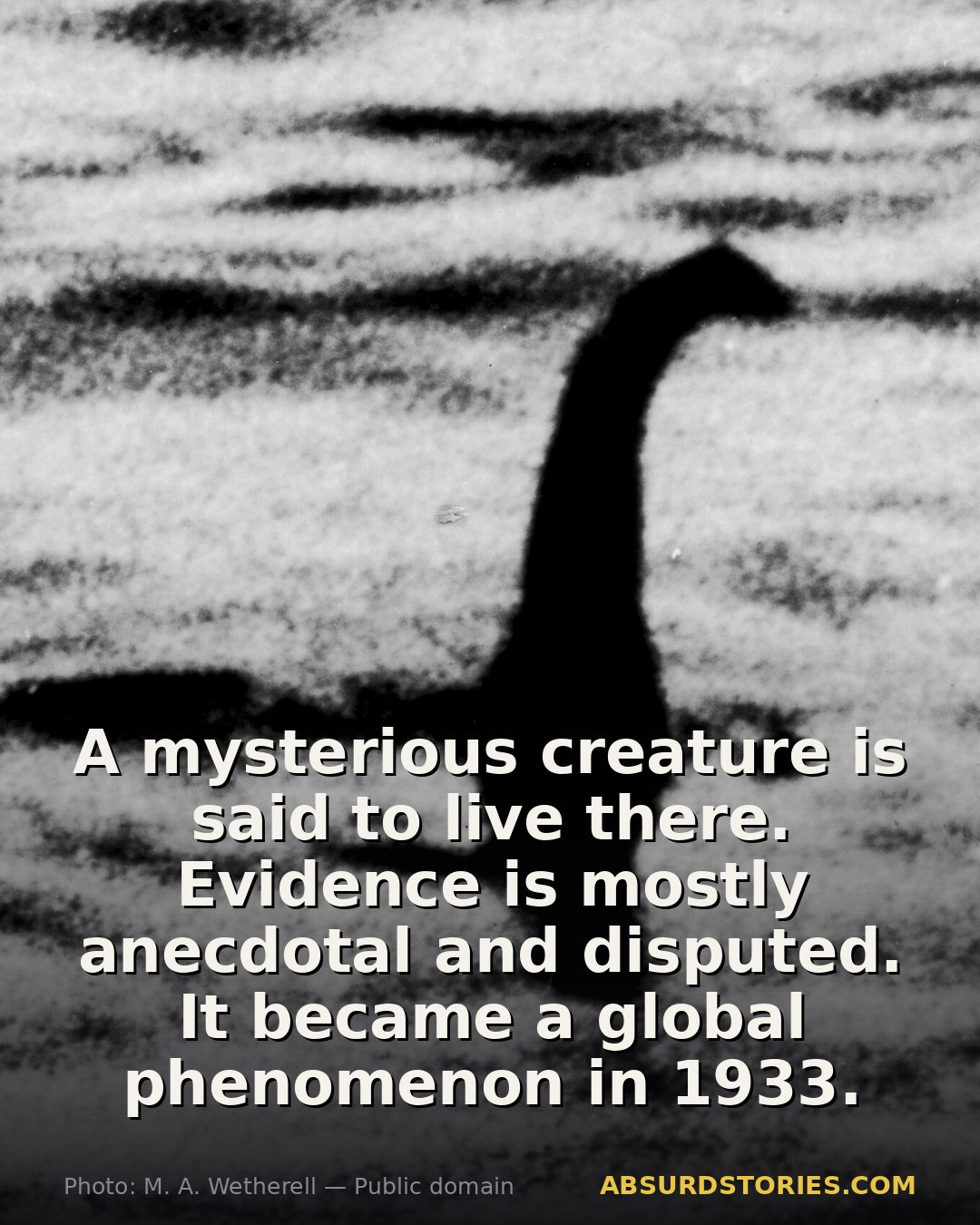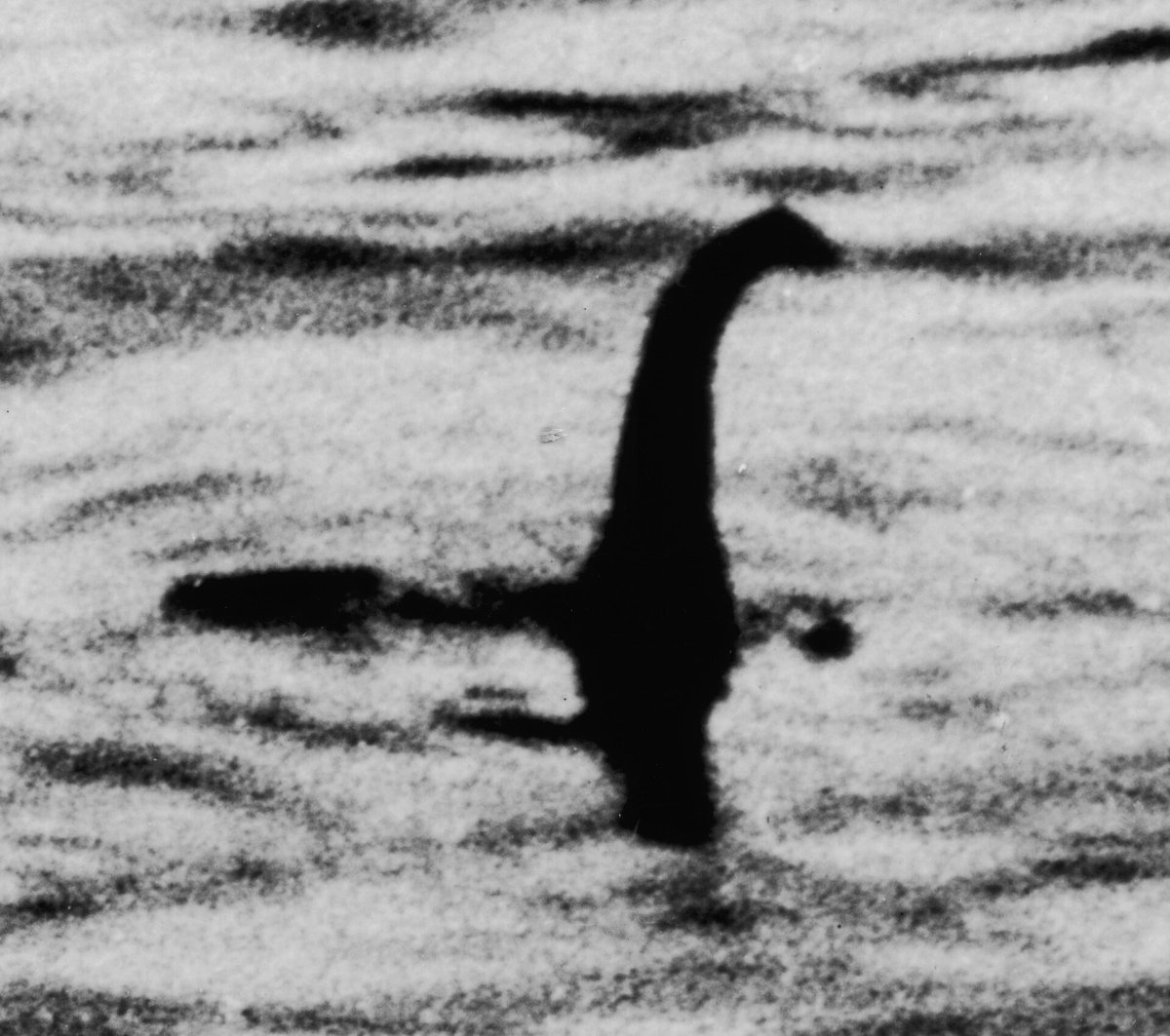
The Loch Ness Monster, affectionately called Nessie, has captured the imaginations of many since it was popularized in the 1930s. This mythical creature is said to inhabit Loch Ness in the Scottish Highlands. Descriptions often paint it as a large, long-necked being, with humps rising above the water's surface.
Despite numerous claims of sightings, the evidence supporting Nessie’s existence tends to be anecdotal. Over the years, various photographs and sonar readings have surfaced, but many remain hotly contested. The scientific community largely views these claims as hoaxes or products of misidentification, often attributing sightings to known animals or natural phenomena.
The story began to swell in 1933 when George Spicer reported seeing a creature resembling a “monster fish” or “dragon” in the loch. This sparked a wave of interest, leading to countless letters detailing similar encounters. The name “Loch Ness monster” eventually became widely accepted. Since that time, Nessie has become a significant part of local folklore.
Interestingly, tales of a creature in the waters predate modern sightings. An account from the 6th century describes Irish monk Saint Columba witnessing a “water beast” while staying among the Picts. Columba purportedly performed a miracle to save a swimmer from this creature. Skeptics argue this narrative is more about typical medieval folklore than evidence of a real monster.
In 1871 or 1872, D. Mackenzie claimed to see something resembling a large log or boat moving in the water. This sighting was not publicized until more than sixty years later. Another sighting in 1888 involved a mason named Alexander Macdonald, who reported seeing a large, salamander-like creature in the loch.
The incident that truly caught the public's attention occurred in 1933 when Aldie Mackay reported seeing an enormous beast rolling in the water. This event was detailed in a well-known article that helped to establish the Loch Ness Monster in popular culture. The creature's depiction as a whale-like entity sparked fascination and led to a surge of reported sightings.
As interest in Nessie continues, many remain captivated by the possibility of her existence, and Loch Ness remains a site of mystery and intrigue.