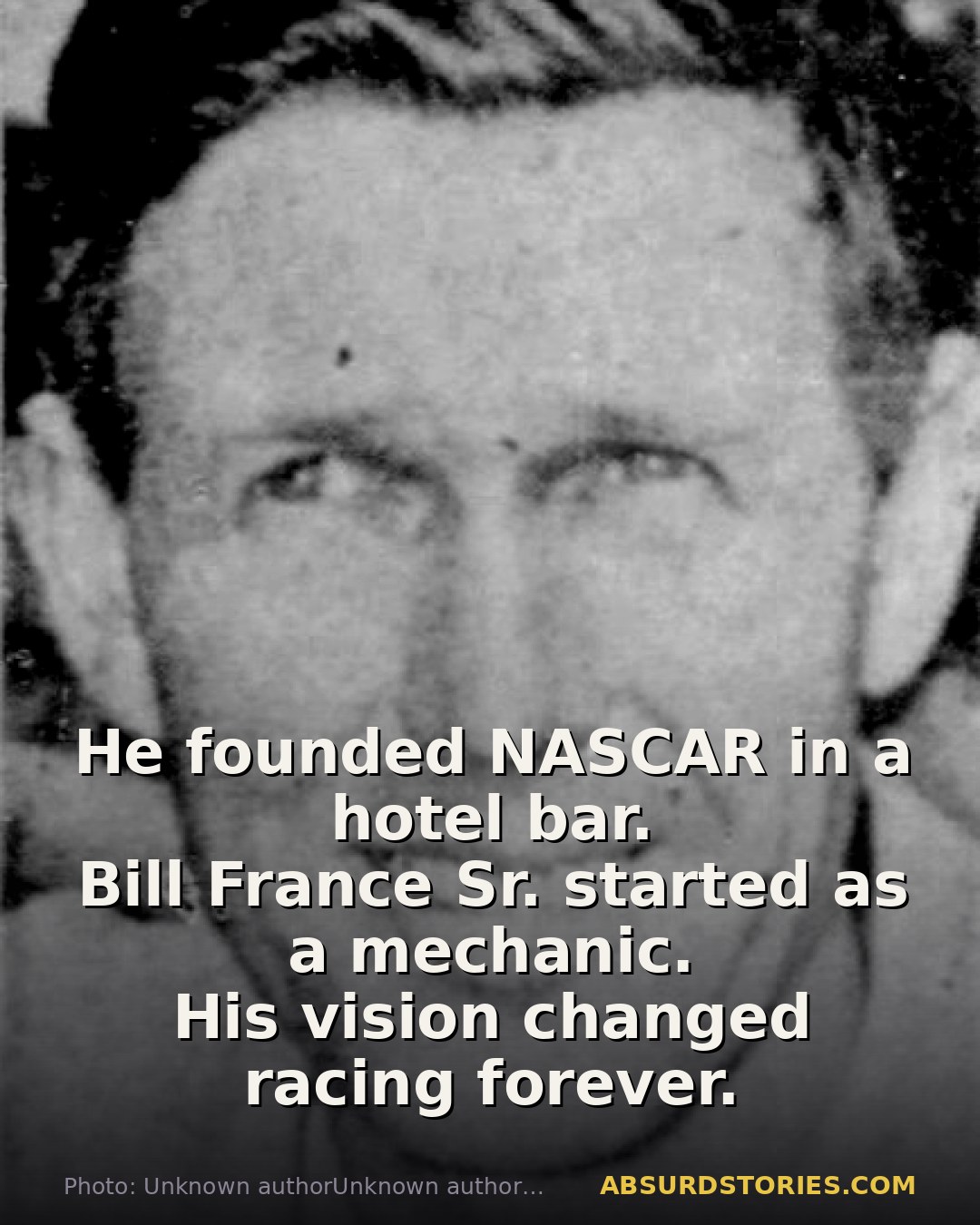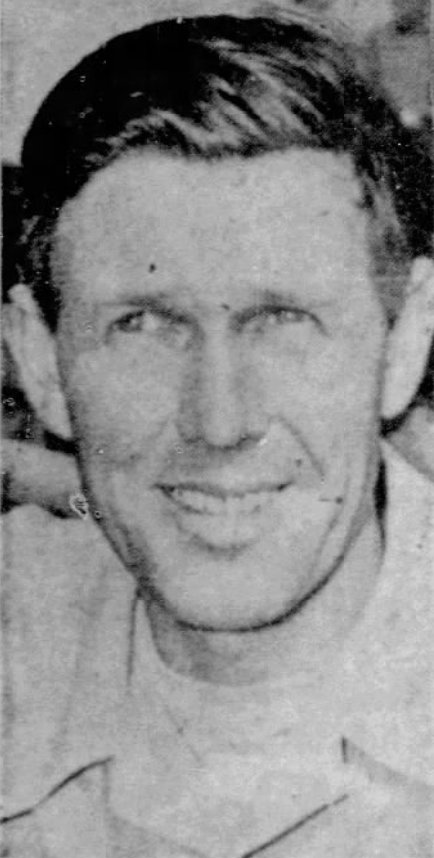
Bill France Sr. famously transformed the world of auto racing with a simple meeting in a hotel bar. It was December 1947 when he gathered drivers, mechanics, and car owners at the Ebony Bar in Daytona Beach, Florida. The result? The birth of NASCAR, an organization that would forever change stock car racing.
Before this pivotal moment, the sport was plagued by unscrupulous promoters. Drivers often found themselves unpaid after events. France understood the need for a structured approach to protect the racers and ensure fair play. The meeting led to discussions about uniform rules and insurance coverage, laying the foundation for what would become a multi-billion dollar industry.
By the early 1950s, France recognized the need for a permanent track. Crowds were gathering, and the beachfront hotels were popping up. He proposed the construction of Daytona International Speedway, which would host the Daytona 500, a race that has grown into a hallmark of American motorsports.
The Daytona 500 debuted in 1959 and quickly became the premier event in the NASCAR calendar. France’s vision didn't stop there; he expanded the sport by also creating the Talladega Superspeedway in 1969.
As the chairman and CEO of NASCAR, he navigated significant changes in the sport. In the early 1970s, the title sponsor role of R. J. Reynolds Tobacco Company rebranded the series to the Winston Cup. France made controversial decisions, like dropping dirt tracks and shorter races, which helped define the modern era of the sport.
Even as he handed over leadership to his son, Bill France Jr., he remained a vital part of NASCAR until the late 1980s. France’s legacy extends beyond just racing; he was inducted into the International Motorsports Hall of Fame in its first class, cementing his influence in the world of motorsports.
Bill France Sr. started with a vision in a hotel bar and transformed stock car racing into a structured, profitable sport. His ingenuity and passion forever changed the landscape of American racing.