In the realm of politics, there have been several unusual candidates that blur the lines between human and non-human. In a surprising turn of events, a foot deodorant named Pulvapies was elected as a municipal councilman in a small town in Ecuador. This quirky election took place in 1967 and marked one of the first instances of non-human candidacies aimed at mocking the political system.
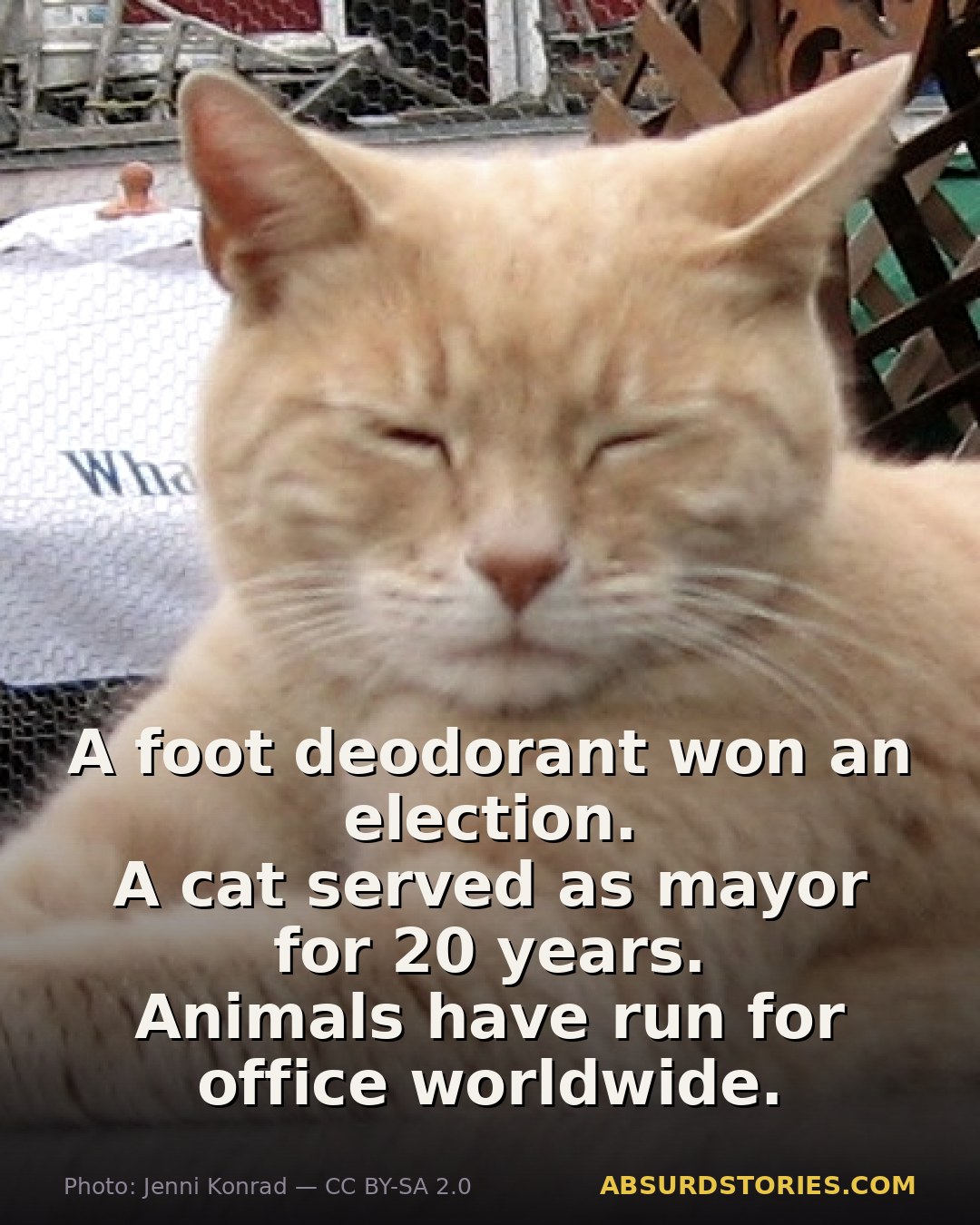
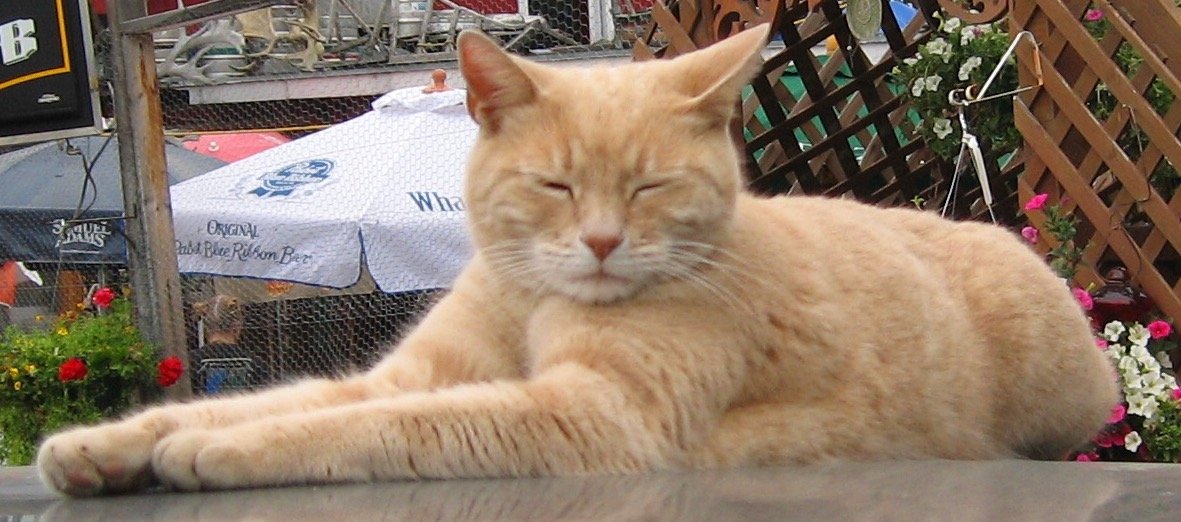
Animals have also taken center stage in electoral processes. Mayor Stubbs, a cat, led the town of Talkeetna, Alaska, for two decades, becoming a beloved figure and symbol of local charm. Meanwhile, in Idyllwild, California, another cat named Mayor Max took on the role of mayor, demonstrating that felines can have a substantial impact on their communities.
Protests and satire drive many of these candidacies. Cacareco, a rhinoceros from São Paulo, became a candidate in the 1958 city council elections to highlight political corruption. Despite not being officially recognized, Cacareco garnered over 100,000 votes, prompting the term "voto Cacareco" to describe protest votes in Brazil.
Other notable candidates include a glacier from Iceland, a fire hydrant in Canada, and even a generative AI running as a parliamentary candidate in the UK. These unconventional nominations often challenge electoral regulations that require human candidates, yet they continue to capture public attention and provoke laughter.
As the political landscape evolves, non-human candidates remind us of the absurdity that can exist within the electoral process. They challenge our perceptions of representation and raise questions about the nature of politics itself.