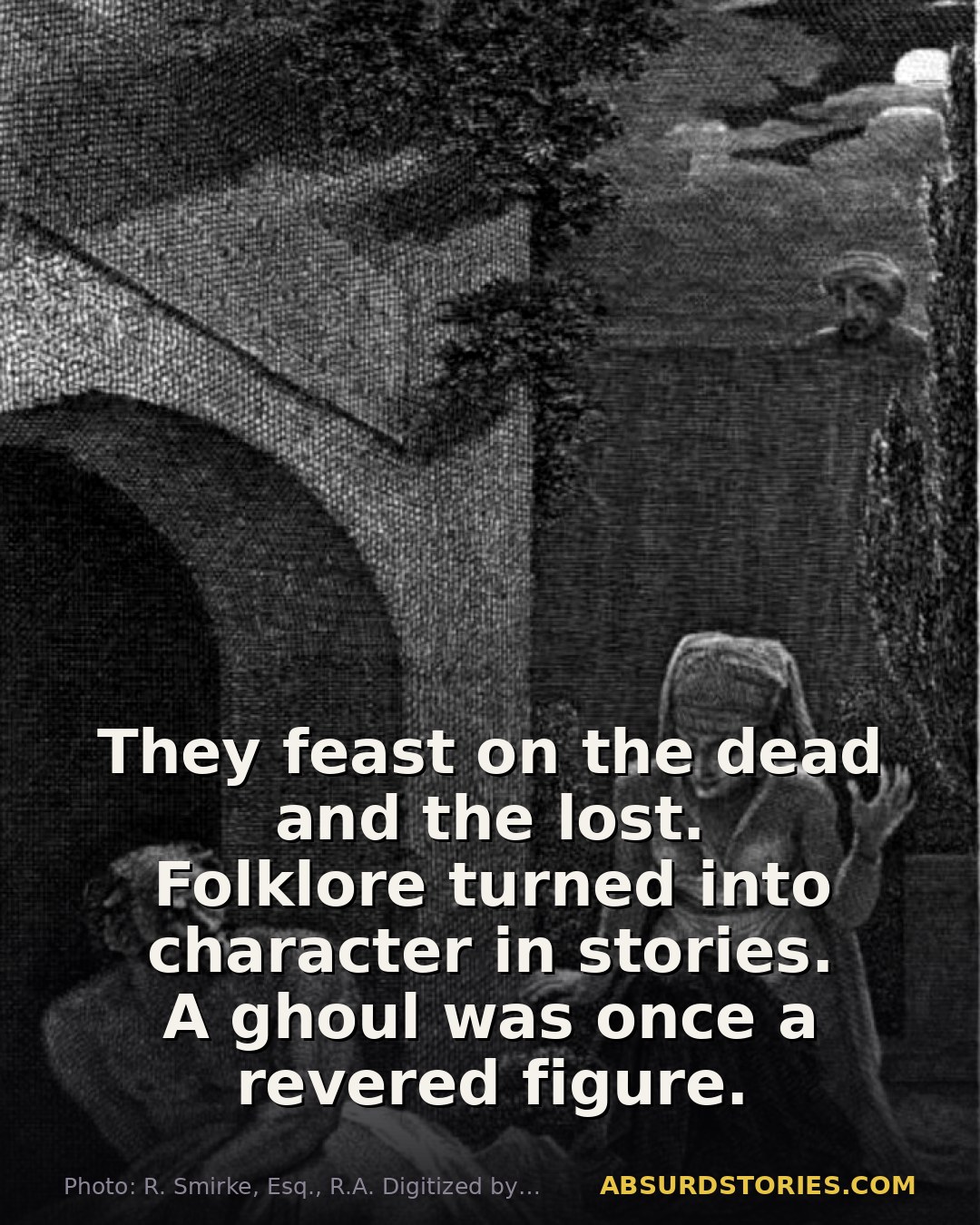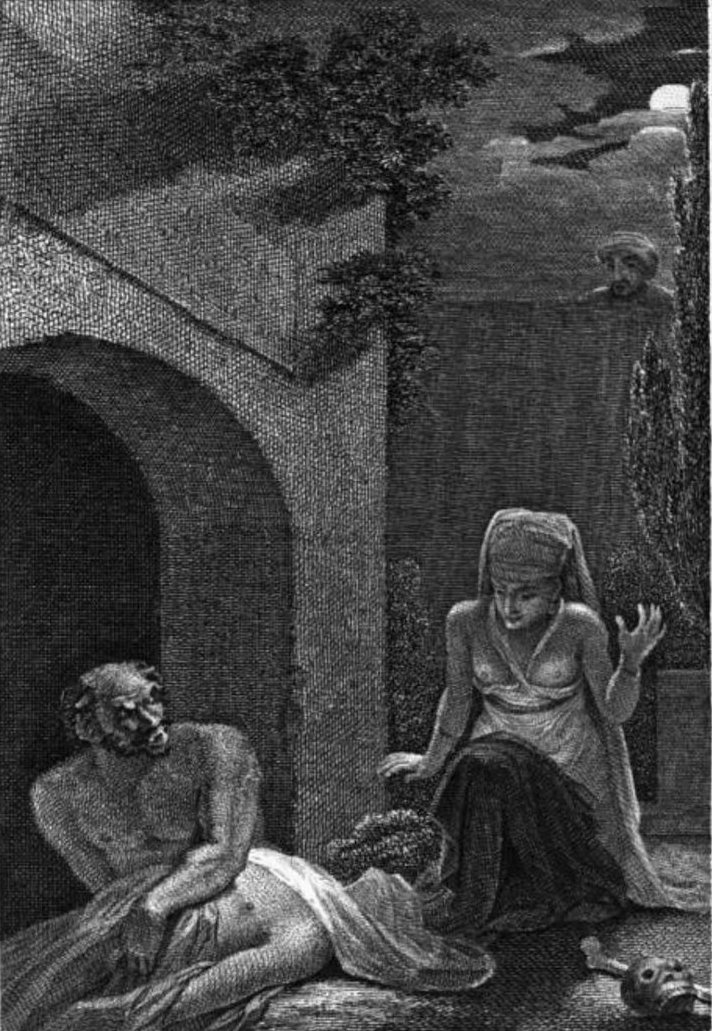
Ghouls have a curious background that blends the macabre with the mundane. Initially, in Arabic folklore, they were seen as demon-like beings lurking in graveyards and consuming human flesh. Over time, the concept evolved and found its way into modern fiction, where ghouls became synonymous with monsters.
The word 'ghoul' traces its roots back to the Arabic term 'ghūl', which means 'to seize'. From its first appearance in English literature in the late 18th century, the idea of ghouls morphed into one that not only highlighted their terrifying nature but also hinted at their grave-robbing tendencies.
In the tales spun through generations, ghouls often appear in feminine forms, notably as deceptive figures luring men into traps. A tale involving a woodcutter illustrates this well: a beautiful princess, who is actually a female ghoul, deceives a man into bringing his family to her palace, where she plans to feast on them. The wife’s intuition saves them, while the woodcutter falls victim to the ghoul's appetites. This blend of allure and horror remains a central theme in ghoul folklore.
Ghouls are known to haunt desolate places, preying on unsuspecting victims and sometimes taking the form of those they have consumed. Their association with death and decay is persistent, as they are typically depicted as creatures that consume the lifeless, amplifying their eerie reputation.
In Western adaptations, ghouls have developed an even more grotesque identity, becoming characters in horror stories that depict them as shapeshifters and monsters feeding on the remains of the dead. Edgar Allan Poe and H. P. Lovecraft both contributed significantly to this image, crafting narratives where ghouls inhabit dark, subterranean worlds.
Throughout history, these beings transitioned from feared folklore to significant figures in modern horror literature. The ghoul's evolution speaks volumes about humanity's fascination with death and the creatures that dwell in its shadows. Their legacy reminds us of the thin line between the tales we tell and the fears we harbor.