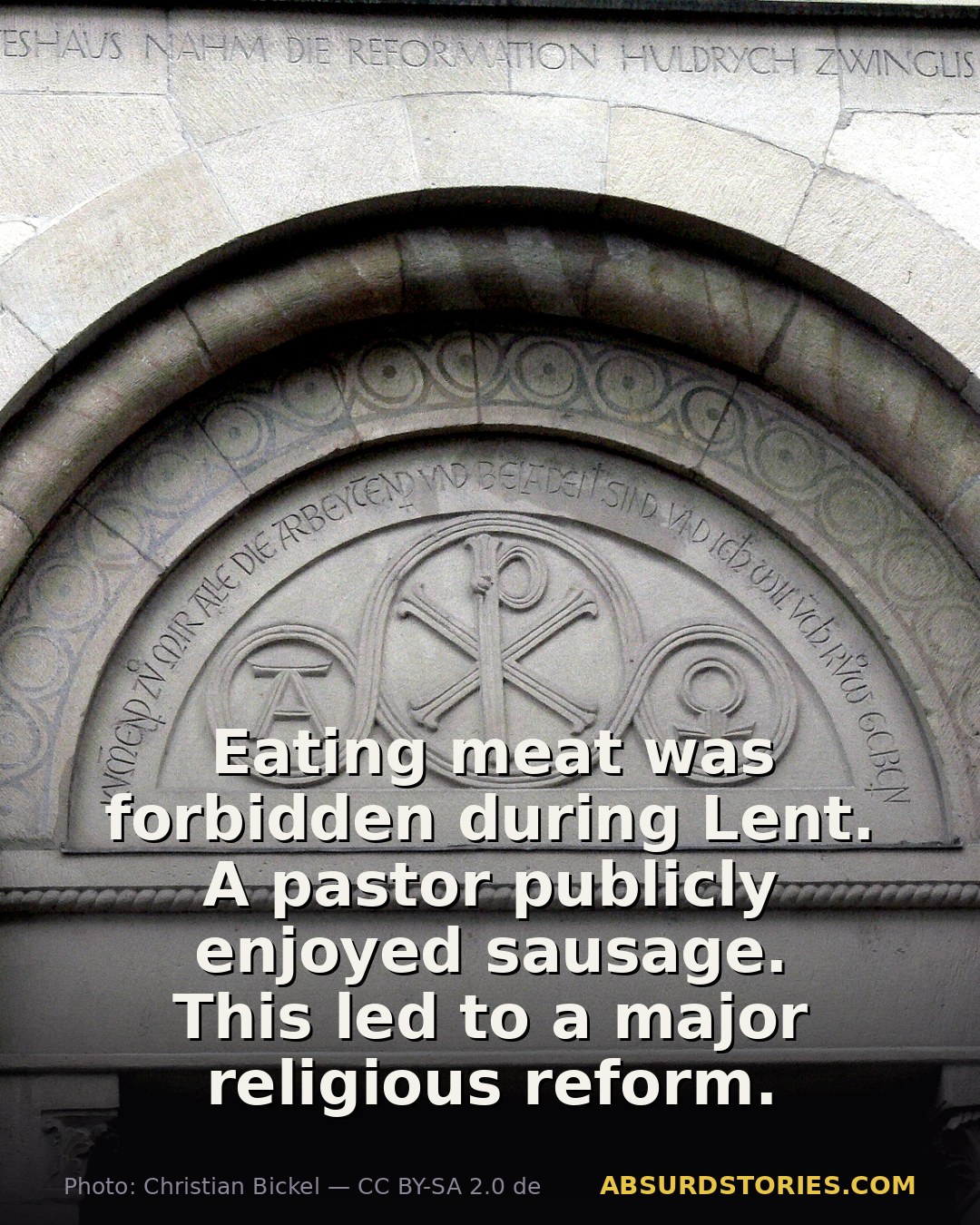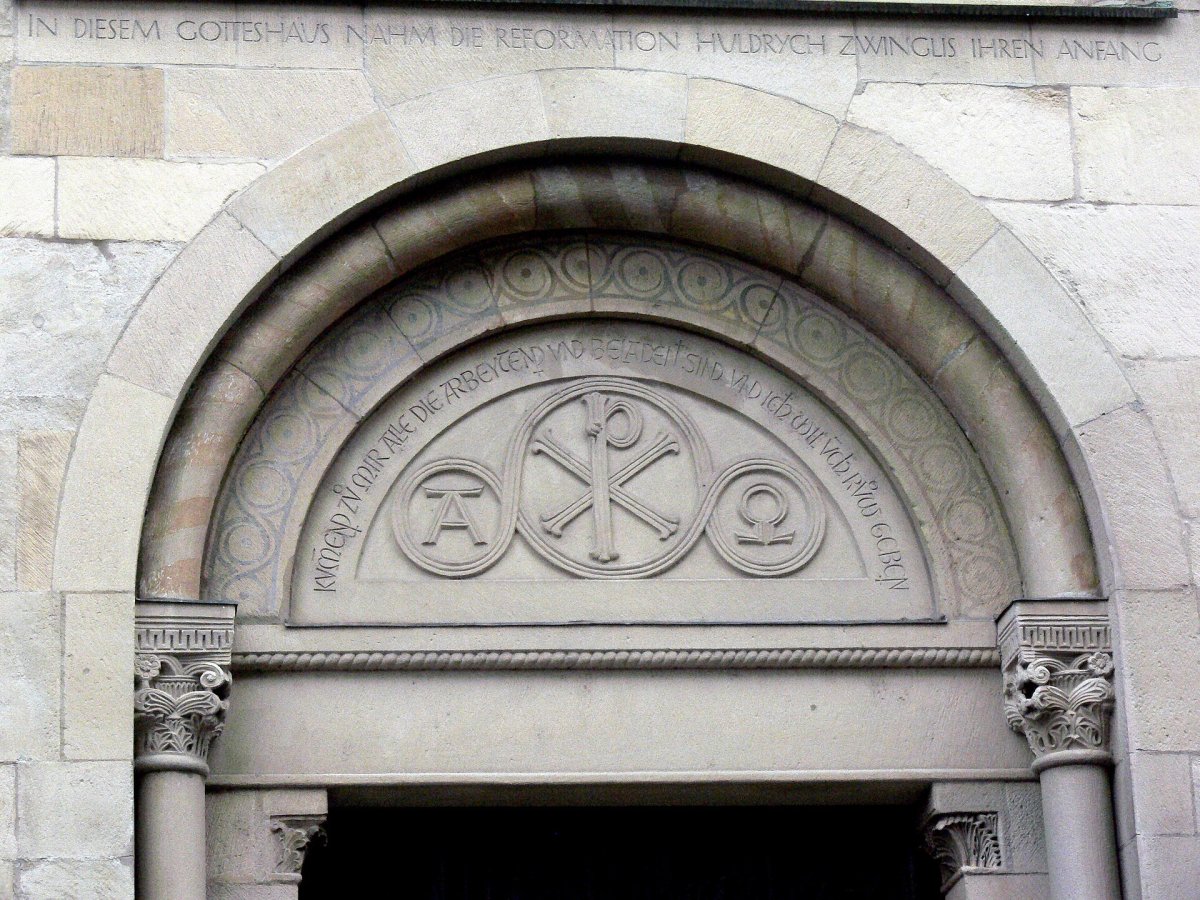
In a surprising turn of events, a pastor's enjoyment of a sausage meal during Lent ignited a significant religious reform. Huldrych Zwingli, serving in Zurich, Switzerland, publicly defended the act of eating meat at a time when it was strictly prohibited. This incident, known as the Affair of the Sausages, occurred in 1522 and would alter the course of religious history in the region.
During a supper hosted by Christoph Froschauer, a local printer, Zwingli joined various dignitaries who were enjoying the festivities, which included hard sausage that had been stored for over a year. The meal was a response to the exhaustion experienced by Froschauer’s workers as they completed a new Bible edition. Although Zwingli himself abstained from consuming the sausages, he quickly defended Froschauer against accusations of heresy.
In his sermon titled Von Erkiesen und Freiheit der Speisen, Zwingli argued that fasting should be a personal choice, referencing Martin Luther's idea that the Bible does not explicitly forbid eating meat during Lent. This challenge to the Catholic Church's authority resonated with many and underscored socio-economic disparities in fasting regulations, which often favored the wealthy while leaving the poor at a disadvantage.
The backlash was swift. The Bishop of Konstanz was so outraged by Zwingli's stance that he called for a ban on any Reformation doctrine in Switzerland. Despite this, Zwingli's popularity surged, and he became a prominent figure in Swiss Protestantism, drawing up numerous theses that challenged traditional church beliefs.
Thus, a simple meal of sausages became a defining moment in the Reformation, illustrating how a minor act of defiance could lead to monumental change. What began with a meal would echo through history as a pivotal episode in the struggle for religious freedom.