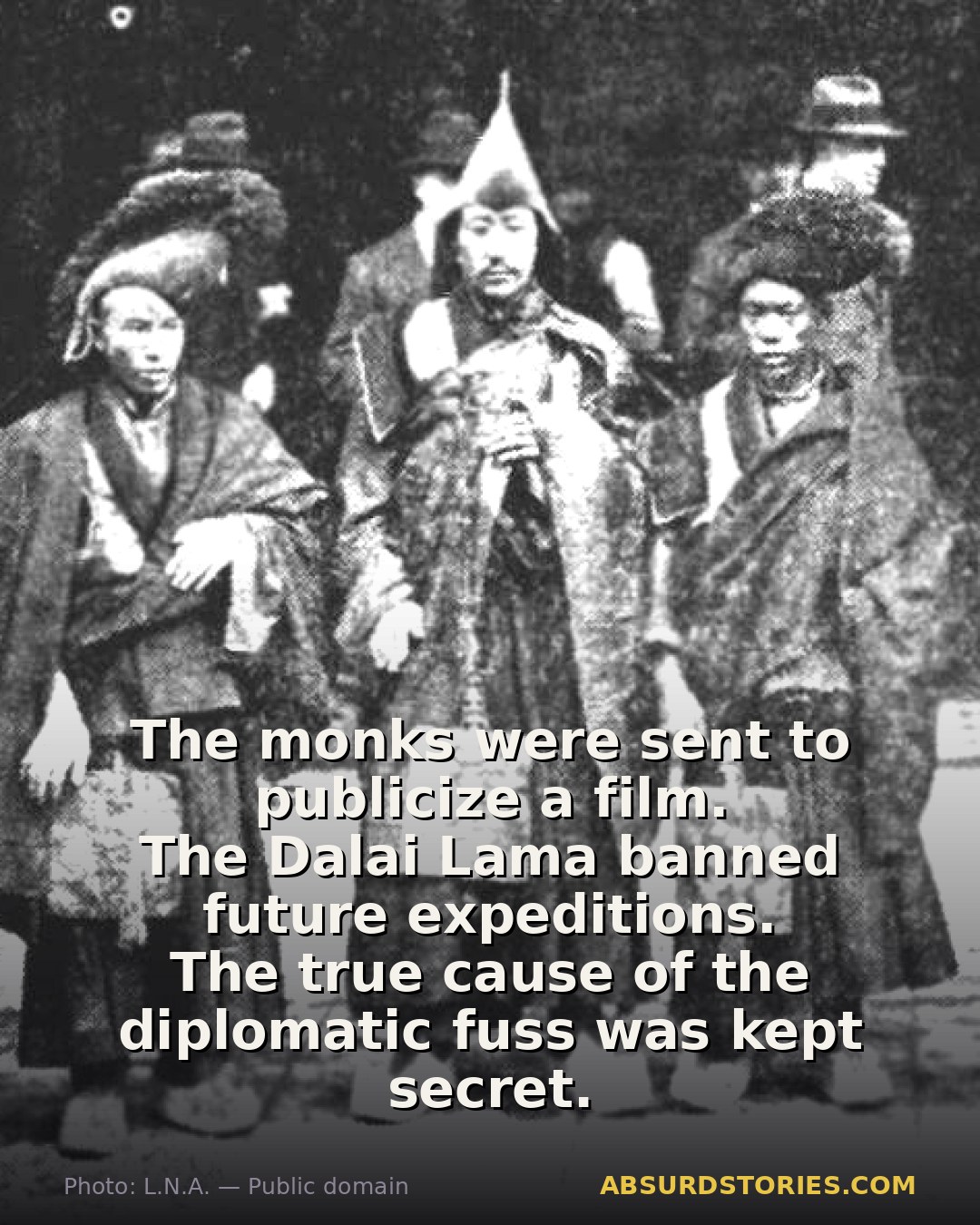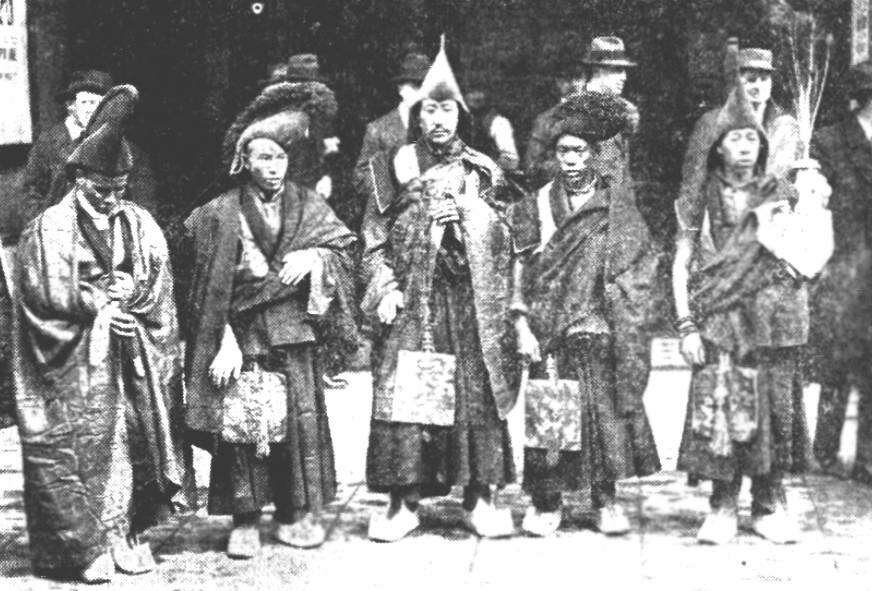
In the 1920s, a curious diplomatic incident unfolded thanks to a group of Tibetan monks sent to England. Their purpose? To promote a movie about Mount Everest. What was meant to be a simple publicity stunt soon spiraled into a serious controversy.
This event, known as the Affair of the Dancing Lamas, involved the monks performing pseudo-religious acts that the 13th Dalai Lama deemed to be a mockery of Tibetan culture. In response, Tibet’s government took a bold stance: it banned all future Everest expeditions as a form of protest.
The film in question was linked to the famous 1924 British Mount Everest Expedition, which was documented by photographer John Noel. The backlash from Tibet was significant and reportedly the blame for the fallout was placed on John de Vars Hazard, a member of the expedition who had explored off the designated route.
Initially, the British had been allowed limited access to Tibet due to geopolitical fears, with a military incursion having occurred earlier in 1904. However, the acceptance of foreign expeditions was not without its complications. The monks’ visit and subsequent actions highlighted deep-seated tensions regarding cultural respect and foreign influence on Tibetan sovereignty.
By the mid-1920s, opposition to such foreign expeditions intensified, pushing the country to the brink of revolution. The fallout from this incident may have contributed to a decline in military influence within the Tibetan government, possibly making it more susceptible to the Chinese takeover in 1950.
Thus, a film meant to showcase adventure and exploration inadvertently became a flashpoint for national pride and international relations.