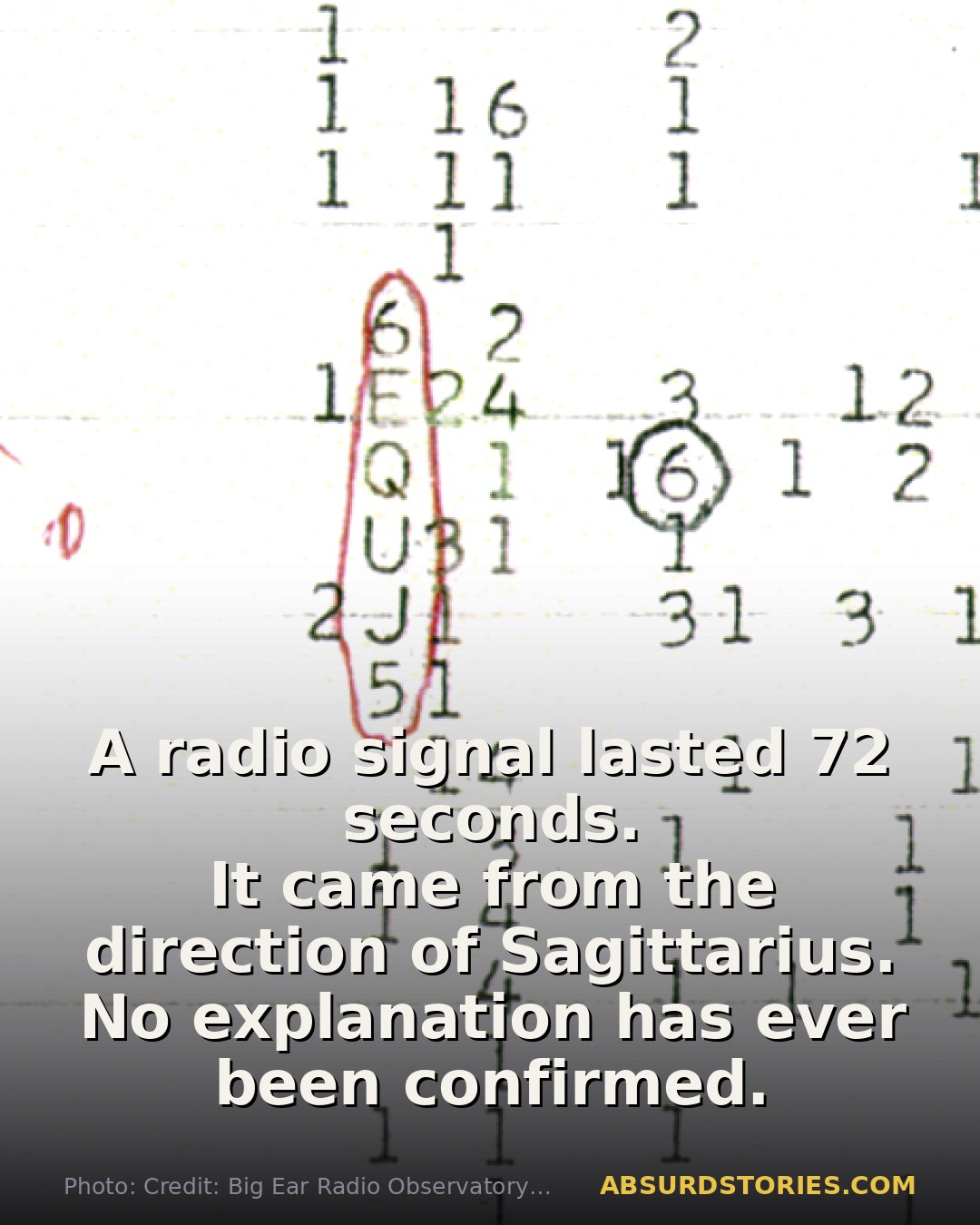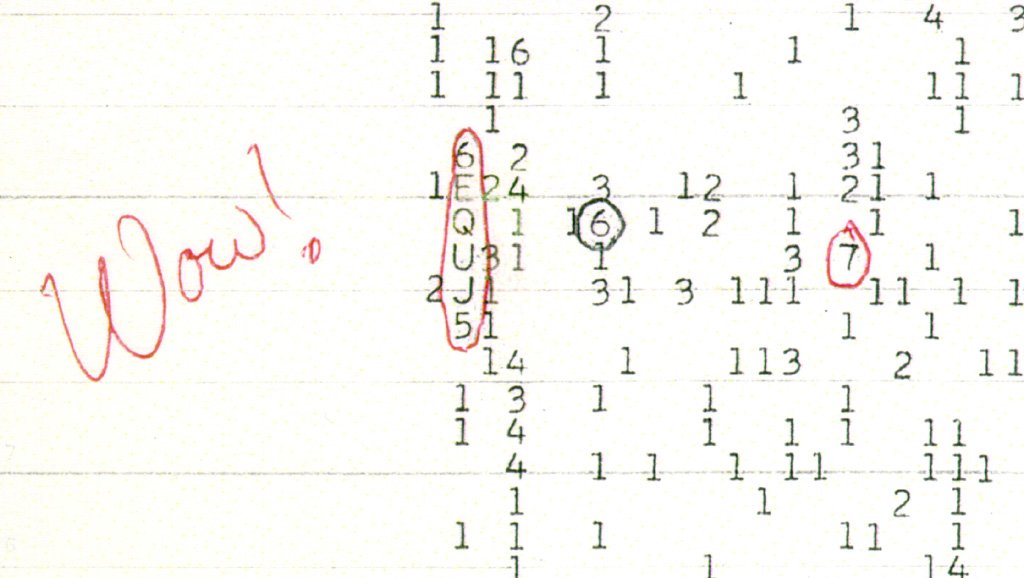
In a remarkable moment in 1977, a narrowband radio signal was detected by a telescope in Ohio. This anomaly lasted a full 72 seconds and seemed to originate from the direction of the constellation Sagittarius. The signal was strong enough to raise eyebrows and ignite imaginations regarding the search for extraterrestrial intelligence.
A few days later, an astronomer named Jerry R. Ehman reviewed the recorded data. He stumbled upon a sequence of numbers printed on paper that indicated an intense signal. In a moment of astonishment, he circled the reading and wrote 'Wow!' next to it, which became the name for this extraordinary event.
Despite extensive investigation into the source of the signal, it has never been detected again. Various hypotheses have been put forth, including the possibility of reflections from space debris or interstellar effects. However, no conclusive explanation has been found.
The signal's intensity was measured in a unique way, using a system that translated data into alphanumeric characters. The highest recorded intensity was marked with the letter 'U', indicating it was far above the background noise. This unusual measurement method led to some misunderstandings about the nature of the signal, as many people assumed it was a direct message.
The frequency of the Wow! signal was close to the hydrogen line, which many believe might be a universal standard among advanced civilizations attempting to communicate. It was recorded at a frequency that was slightly higher than expected, which has led to debates about its origin, including considerations of what an extraterrestrial transmission might entail.
Ultimately, the Wow! signal remains a tantalizing mystery in the realm of astronomy. It has inspired numerous studies and continues to be a point of fascination in popular culture. Although it has gone unexplained for decades, the brief moment it graced our instruments still sparks curiosity about what lies beyond our planet.