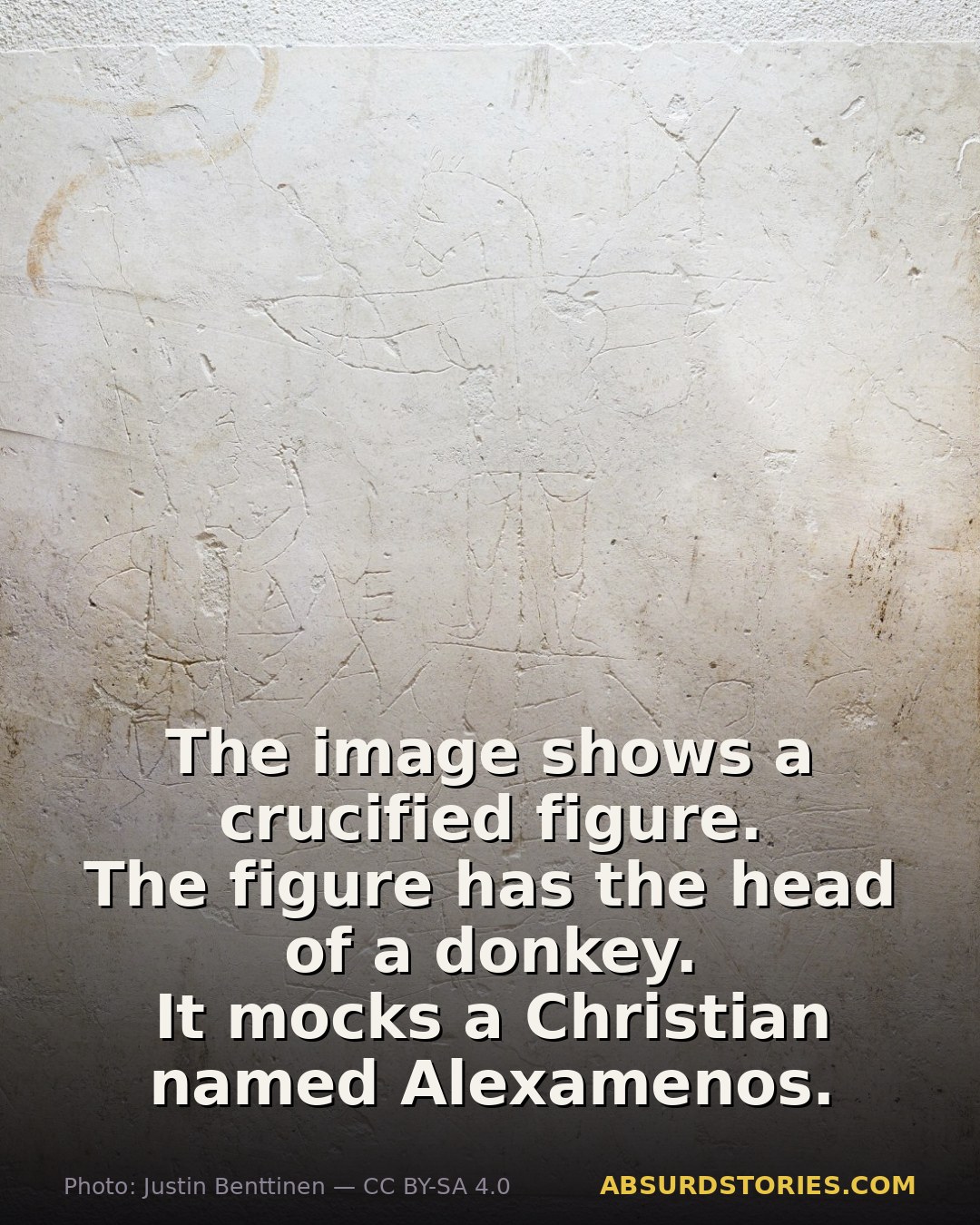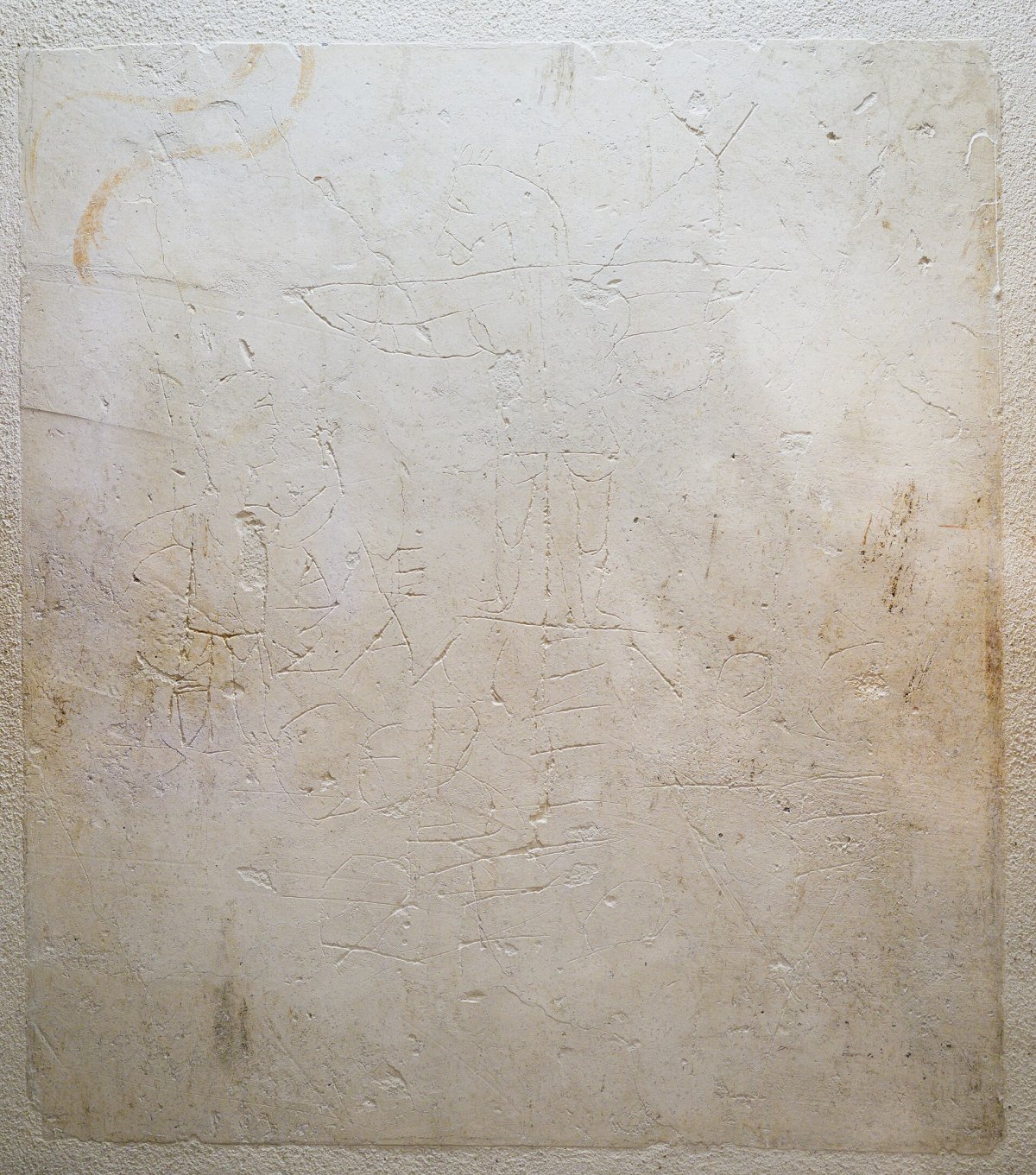
In a room near Palatine Hill, graffiti from around 200 AD reveals a remarkable scene. The image, now housed in the Palatine Museum, depicts a young man seemingly worshipping a crucified figure with the head of a donkey.
The inscription accompanying the image translates to 'Alexamenos worships [his] god', suggesting a mockery of an individual named Alexamenos, likely a Christian. The image and text reflect the disdain some Romans held for early Christians, who were often subjected to ridicule.
According to interpretations, the donkey-headed figure symbolizes the idea that Christians practiced what was perceived as donkey-worship, a false claim rooted in ancient misunderstandings. This prejudice persisted, with references found in the writings of philosophers and early scholars who accused Christians and Jews of worshipping a deity in such a form.
The image's significance lies not only in its content but also in the broader context of anti-Christian sentiment during the period. Crucifixion was then a common punishment for severe crimes, and its association with scornful imagery only added to the stigma faced by followers of Christ.
Despite its mocking intent, the graffito represents an early depiction of Christian iconography, predating the formal acceptance of such imagery in Christian worship. The absurdity of this ancient insult serves as a stark reminder of the challenges faced by early believers.