In Istanbul, a street dog named Boji has gained fame for his unusual daily routine. Reportedly, he rides various public transportation options, such as ferries, buses, metros, and trams. His travels take him to at least 29 different metro stations each day, showcasing a remarkable ability to navigate the city.
Meanwhile, in Dorset, England, an elderly cat named Dodger has been observed taking multiple round trips on local buses. Speculation suggests that Dodger is motivated by the warmth provided inside the vehicles, making these rides a cozy refuge.
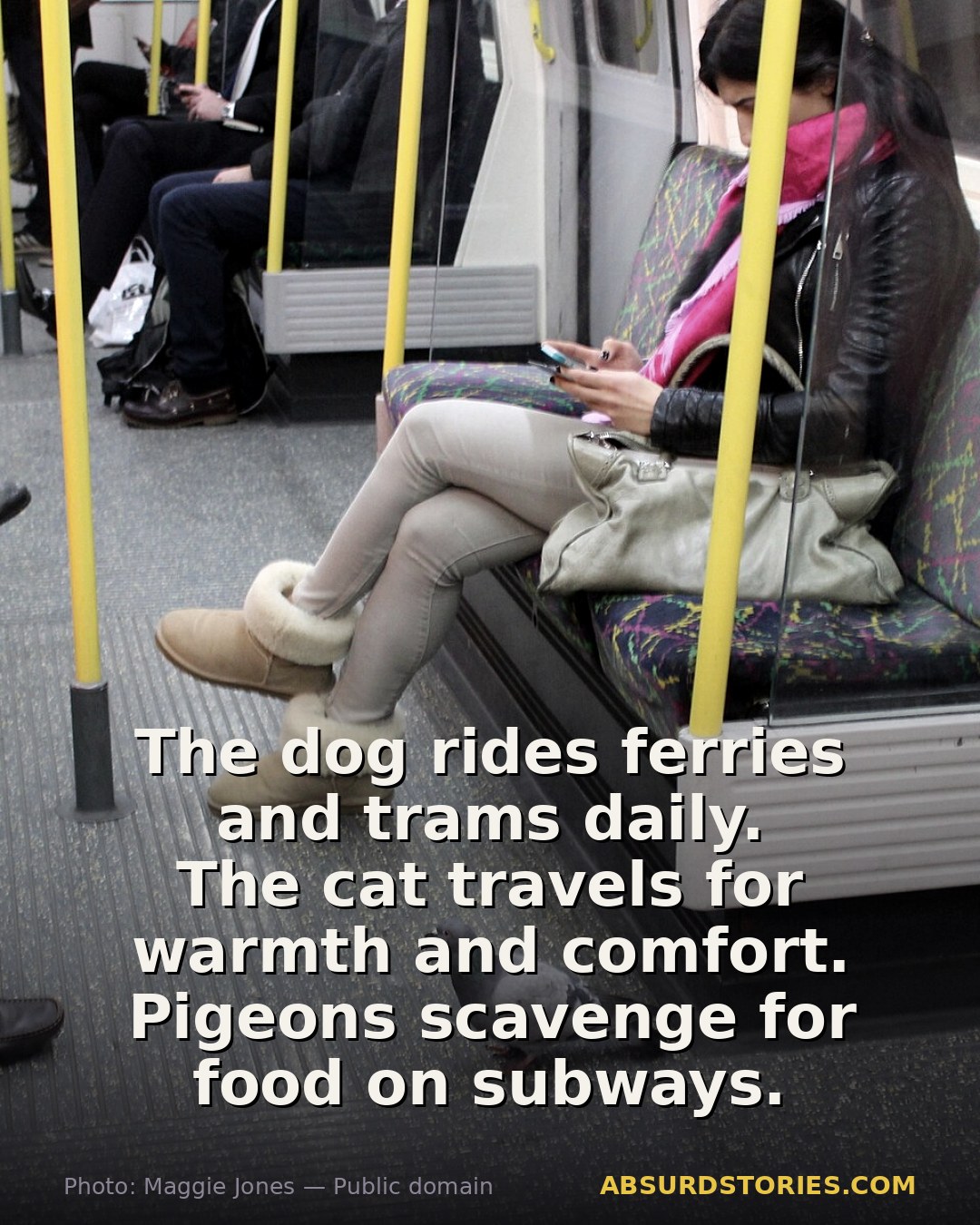
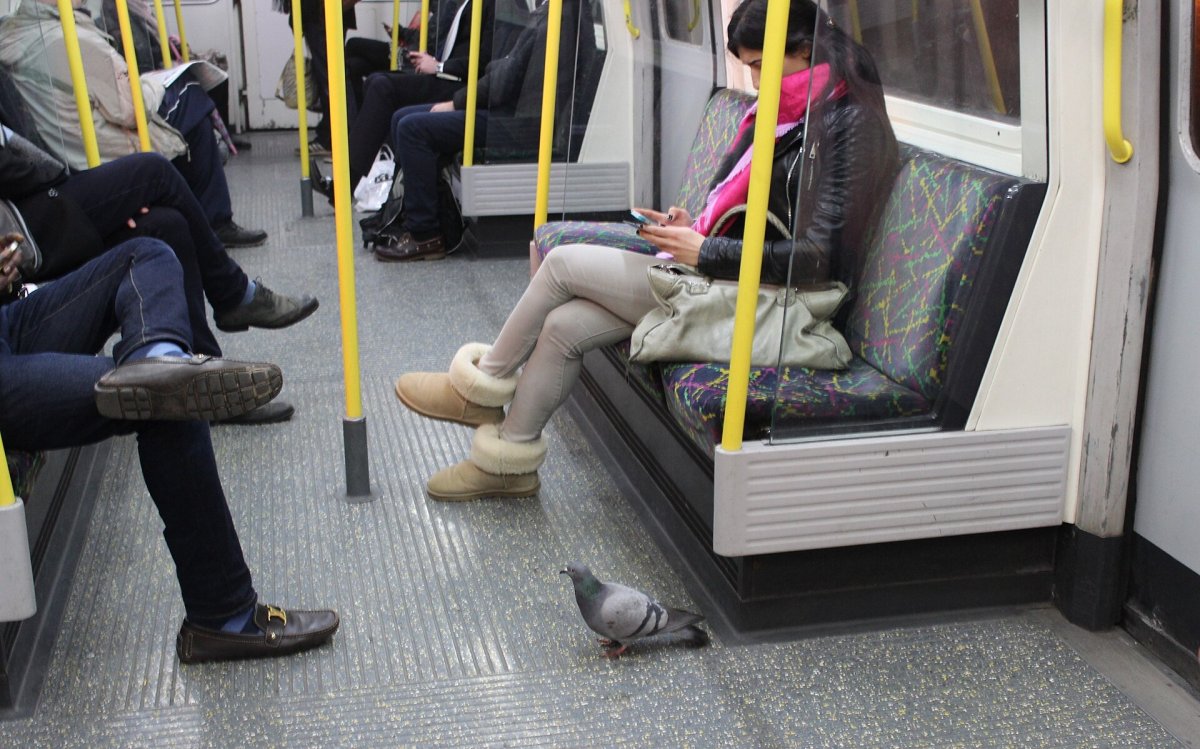
In New York City, pigeons have become known for their scavenging habits, frequently seen rummaging through subway trains in search of food. Additionally, urban wildlife sightings are not limited to pigeons. Coyotes can be spotted using public transport in the United States, while monkeys have been noted for riding in India.
Moscow street dogs have also adapted to their surroundings by using the subway as a mode of transportation. One particularly famous stray dog, Malchik, even has a statue dedicated to him at Mendeleyevskaya station, celebrating his unique commuting style.
In Plymouth, a cat named Casper has taken long bus rides, covering a distance of 11 miles round trip to reach the city center. His adventures inspired a children's book about his travels, aptly named "Casper the Commuting Cat."
In Seattle, Eclipse, a black Labrador, has been known to ride the bus ahead of its owner, eager to reach the dog park. Similarly, a Jack Russell terrier named Ratty has traveled five miles by bus to be fed at two different pubs.
Even Macavity, a cat from Walsall, takes the bus several times a week to visit a fish and chip shop just 400 meters away. Finally, Canuck the Crow, a clever bird from Vancouver, Canada, takes the SkyTrain multiple times a week, scavenging food from different stations with minimal effort.
These stories highlight the remarkable adaptability of animals in urban environments, where they learn to navigate public transportation in search of food or comfort.