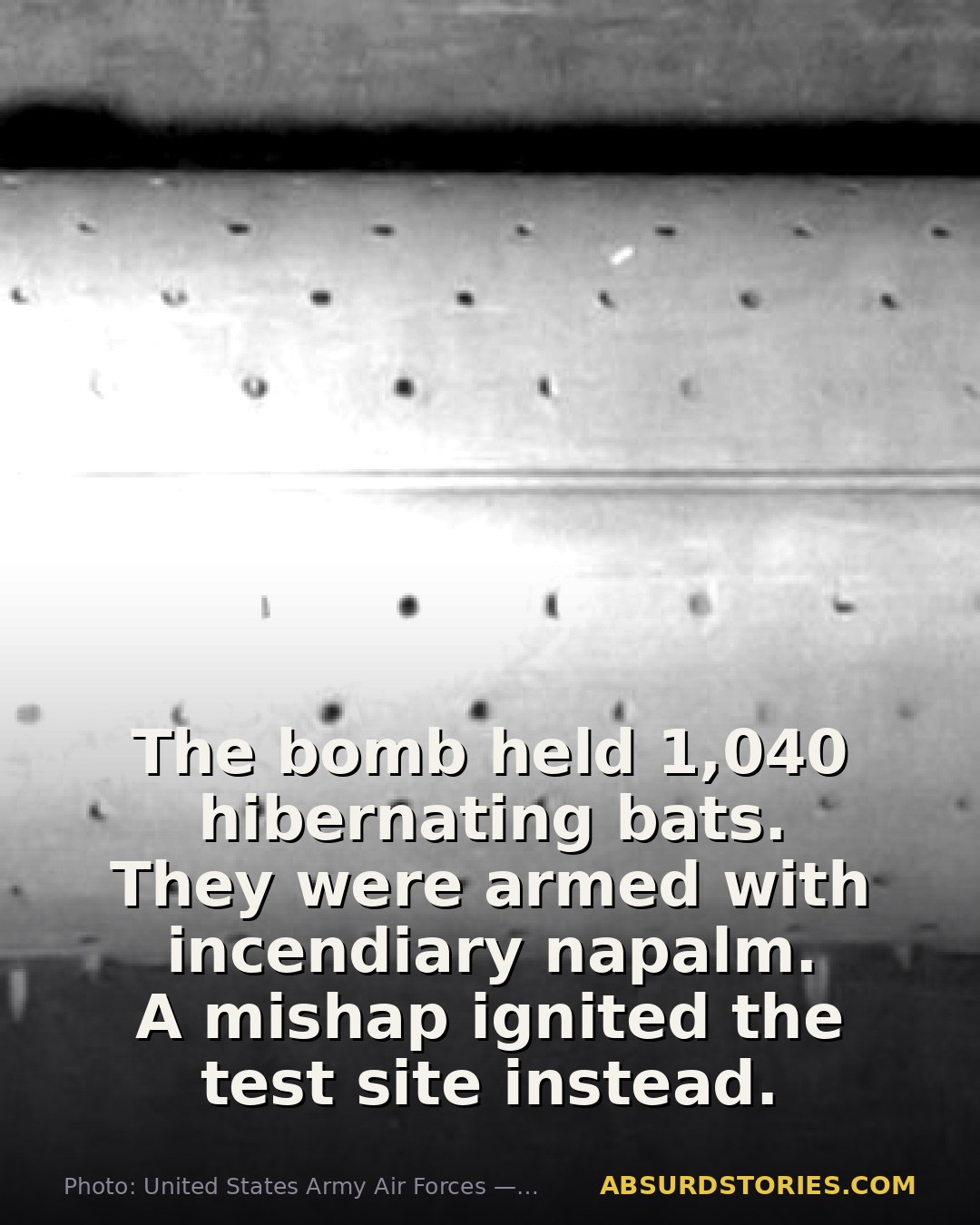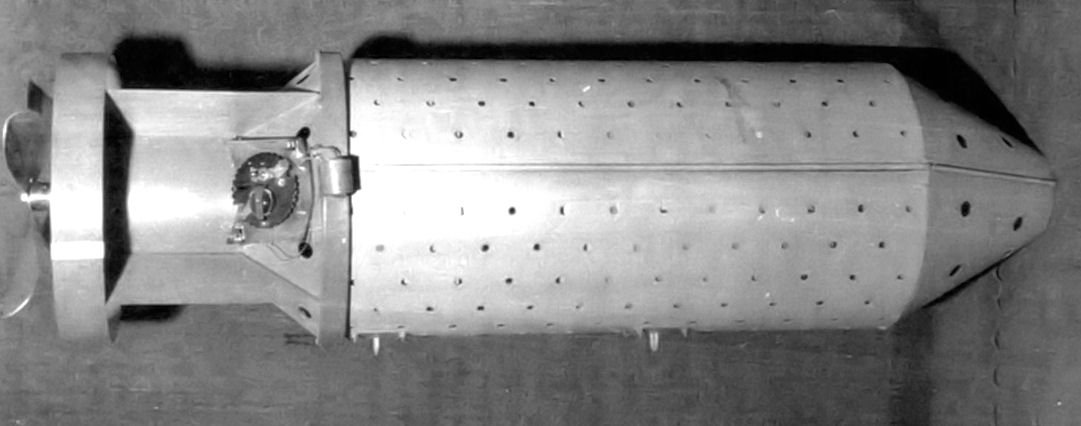
In an unusual twist of military strategy, the United States developed a weapon called the bat bomb during World War II. This weapon was designed to release over a thousand hibernating Mexican free-tailed bats, each carrying a small incendiary device, to ignite fires in Japanese cities. The concept was initially proposed by a dental surgeon who had been inspired during a visit to a bat-filled cavern.
Reportedly, the bats would be dropped from a bomber at dawn, allowing them to disperse and roost in structures made of wood and paper. The incendiaries were timed to ignite after release, potentially causing destruction across a 20 to 40-mile radius from the drop zone. This bizarre concept caught the attention of President Roosevelt, who, after reviewing the proposal, encouraged military leaders to explore its feasibility.
After government approval, the project was handed to the Army Air Force. A team of diverse individuals, including a mammalogist and a former gangster, worked diligently on the logistics of the operation. They faced peculiar challenges, such as keeping bats hibernated during transportation and figuring out how to attach incendiaries to them without causing harm.
The project underwent numerous tests, including an embarrassing incident where armed bats accidentally ignited a test range when released prematurely. This mishap led to the Navy taking over the project, rebranding it as Project X-Ray. Despite the operational adjustments, the plan remained largely experimental and was never deployed in an actual combat scenario.
In the end, the bat bomb represents one of the most unconventional approaches to warfare, showcasing the peculiar lengths to which military planners were willing to go.