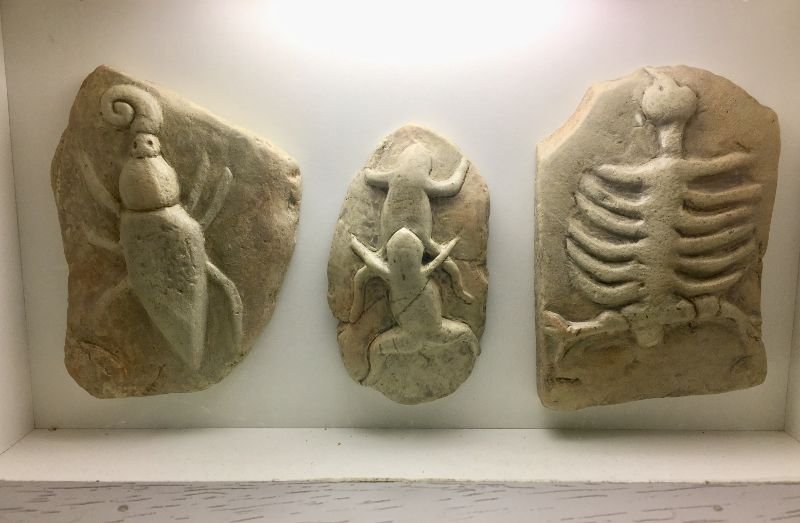
In 1725, a professor stumbled upon what he thought were remarkable fossils. These stones were carefully carved into the shapes of various animals. What he didn’t realize was that he had fallen victim to an elaborate hoax.
Johann Bartholomeus Adam Beringer was a prominent figure in medical academia, serving as the Dean at the University of Würzburg. He had a keen interest in rock collecting and enlisted several young assistants to help him in his pursuits. During one of their searches, they discovered stones with intricate carvings, some reportedly inscribed with the Hebrew name for God. Beringer, convinced of their authenticity, proposed that they might be of divine origin.
His excitement led him to publish a book titled Lithographiae Wirceburgensis, documenting his findings. Yet, shortly after its release, the truth emerged: these fossils were fabricated by a group of pranksters. They sought to undermine Beringer’s reputation, which they deemed arrogant.
The hoaxers used limestone and crafted it into shapes like frogs and lizards, planting them in areas where Beringer frequently searched. Beringer took legal action against the perpetrators and won, but the damage to his reputation was irreparable. The stones became infamous as the Lügensteine, or 'lying stones.'
Despite the legal victory, Beringer's reputation was marred permanently. Some of these lying stones survive today, with a few displayed in museums. Beringer’s story serves as a reminder of how easily one can be deceived, even in the pursuit of knowledge.