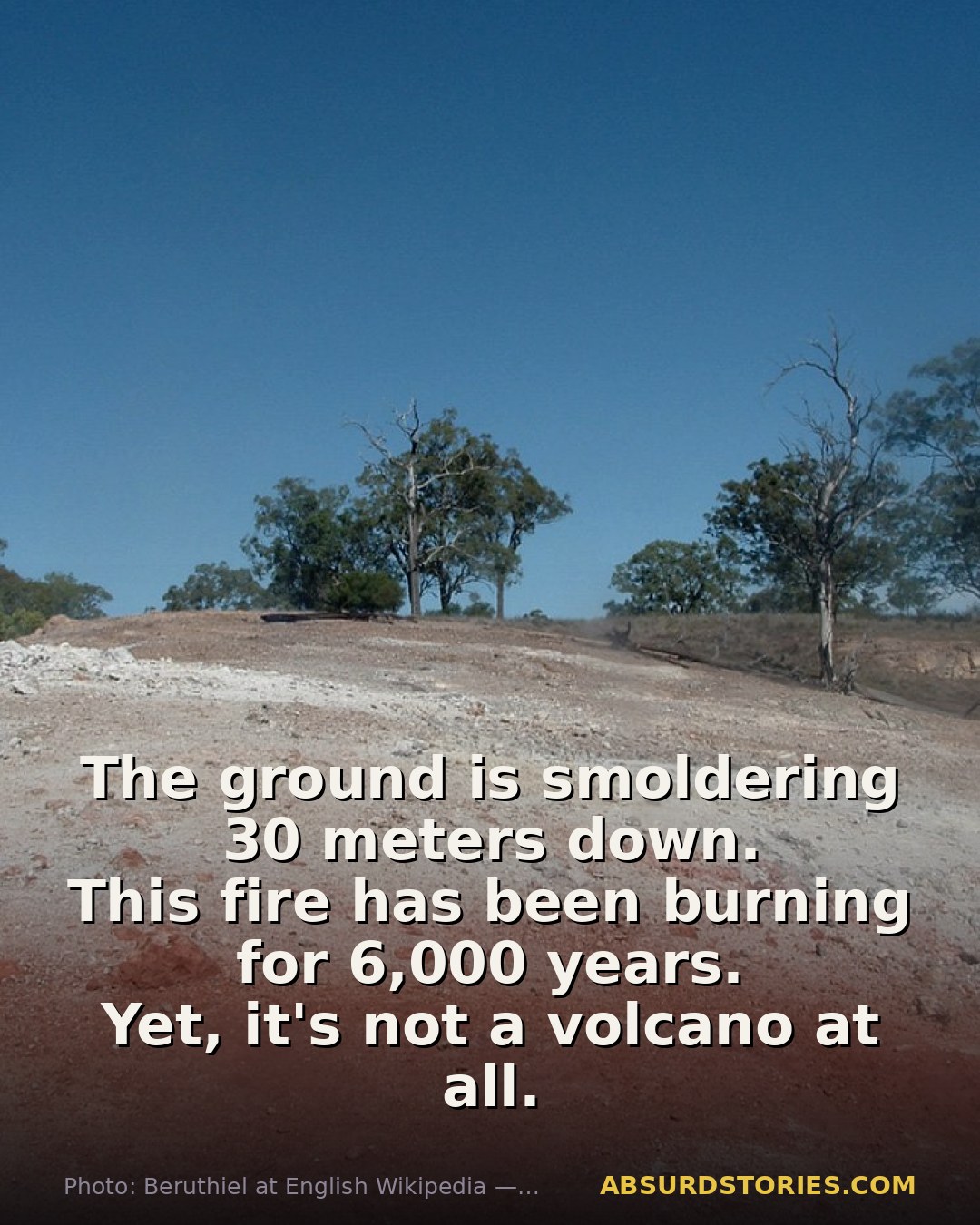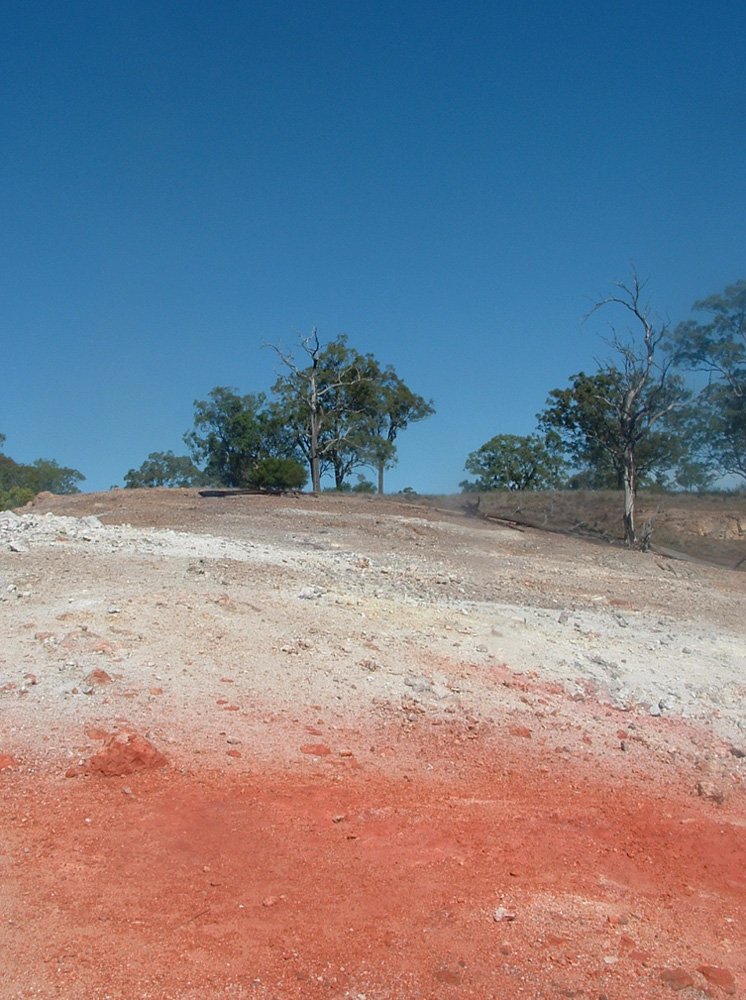
A mountain is aflame beneath its surface, yet it shows no signs of traditional fire. Burning Mountain, known as Mount Wingen, is located in New South Wales, Australia. This unusual geological phenomenon is the result of a coal seam fire that has persisted for an astonishing 6,000 years.
Visitors can witness smoke rising from the ground, leading to a trail filled with information panels. The sight is both mesmerizing and confusing, as the smoke has often been mistaken for volcanic activity by explorers and settlers in the past.
According to the local Aboriginal legends, the mountain’s name ‘Wingen’ translates to ‘fire’. It is said that a tribesman lighting a fire on the mountainside was captured by a malevolent spirit and, in a desperate attempt to warn others, set the mountain ablaze. This myth adds an intriguing layer to the mountain's identity.
Geological surveys reveal that the fire, burning at a depth of about 30 meters, is moving at a slow rate of approximately 1 meter per year. The combustion has resulted in visible changes to the landscape, with soil discolored and the ground uneven.
In 1829, geologist Reverend C. P. N. Wilton clarified the origin of the smoke, debunking the volcanic theory and revealing the truth of the coal seam fire. As it continues its slow burn, Burning Mountain remains a unique natural wonder, intriguing all who visit.
This is not just a mountain; it is a testament to the power of nature’s hidden forces.