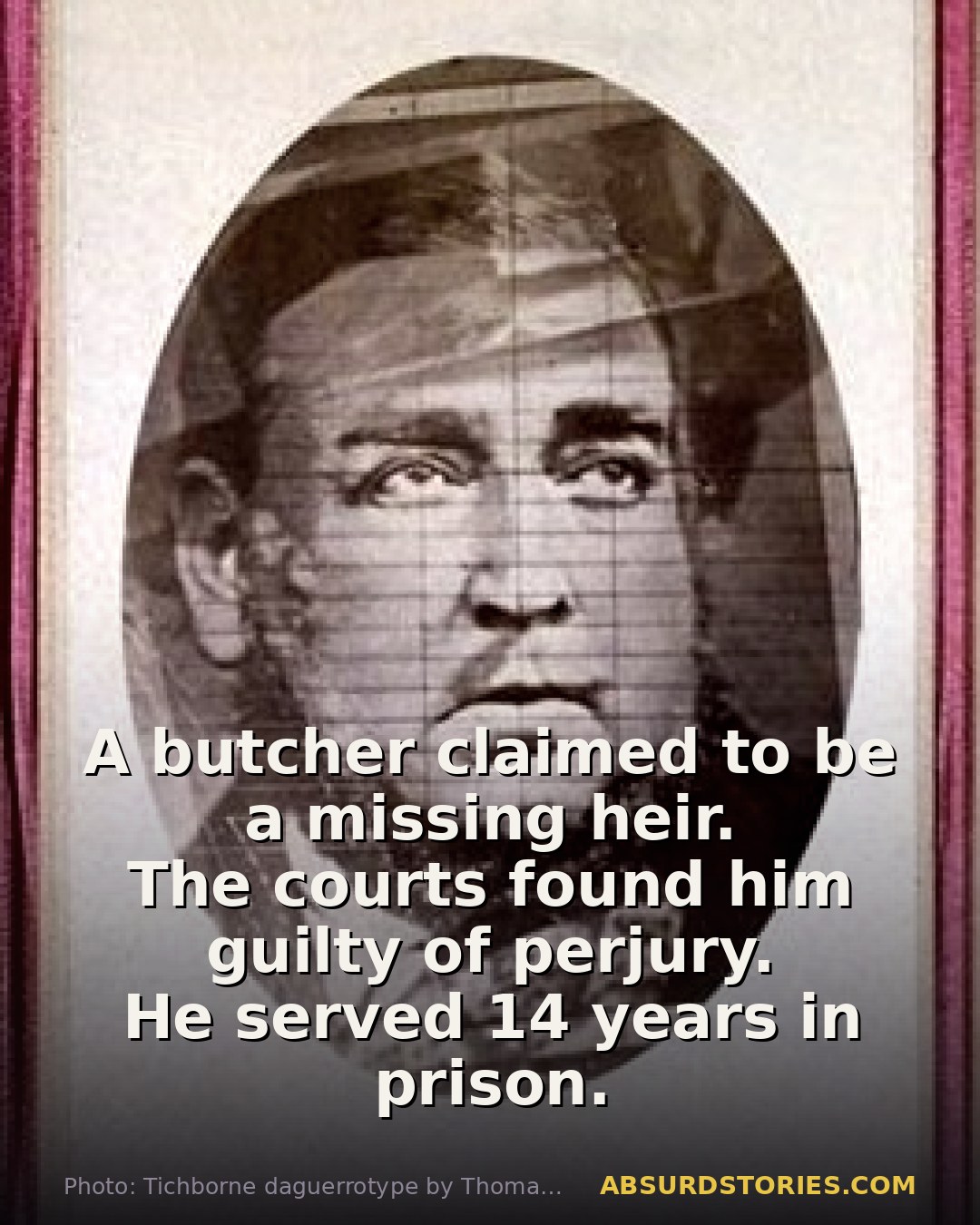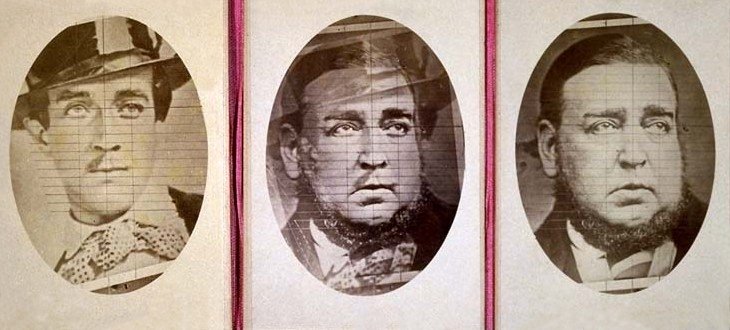
The Tichborne case captivated Victorian Britain during the 1860s and 1870s. It revolved around a man referred to as the Claimant, who asserted he was the missing heir to the Tichborne baronetcy. This heir, Roger Tichborne, was presumed dead after a shipwreck in 1854 at the age of 25.
Lady Tichborne, Roger's mother, held onto hope that her son had survived. After hearing rumors that he might be alive in Australia, she offered a reward in local newspapers for information about him. In 1866, a butcher from Wagga Wagga named Thomas Castro claimed to be Roger, and despite his unpolished manner, he gained the acceptance of Lady Tichborne.
While other family members were skeptical, Lady Tichborne welcomed him. Prolonged inquiries began, revealing that the Claimant might actually be Arthur Orton, a butcher's son from London. After a civil court dismissed his claims, he was charged with perjury.
While awaiting trial, he campaigned nationwide for public support. Ultimately, in 1874, a jury confirmed he was not Roger Tichborne and declared him Arthur Orton. The judge sentenced him to 14 years in prison and condemned the behavior of his counsel, Edward Kenealy, who was later disbarred for his conduct.
Post-trial, Kenealy initiated a reform movement known as the Magna Charta Association, advocating for the Claimant’s cause. Kenealy was elected to Parliament in 1875 but was not effective in his role. The movement waned by the time the Claimant was released in 1884. He lived in poverty and confessed to being Orton in 1895, only to retract his statement shortly after. He died destitute in 1898. While the courts concluded he was Orton, some still speculate about his true identity.