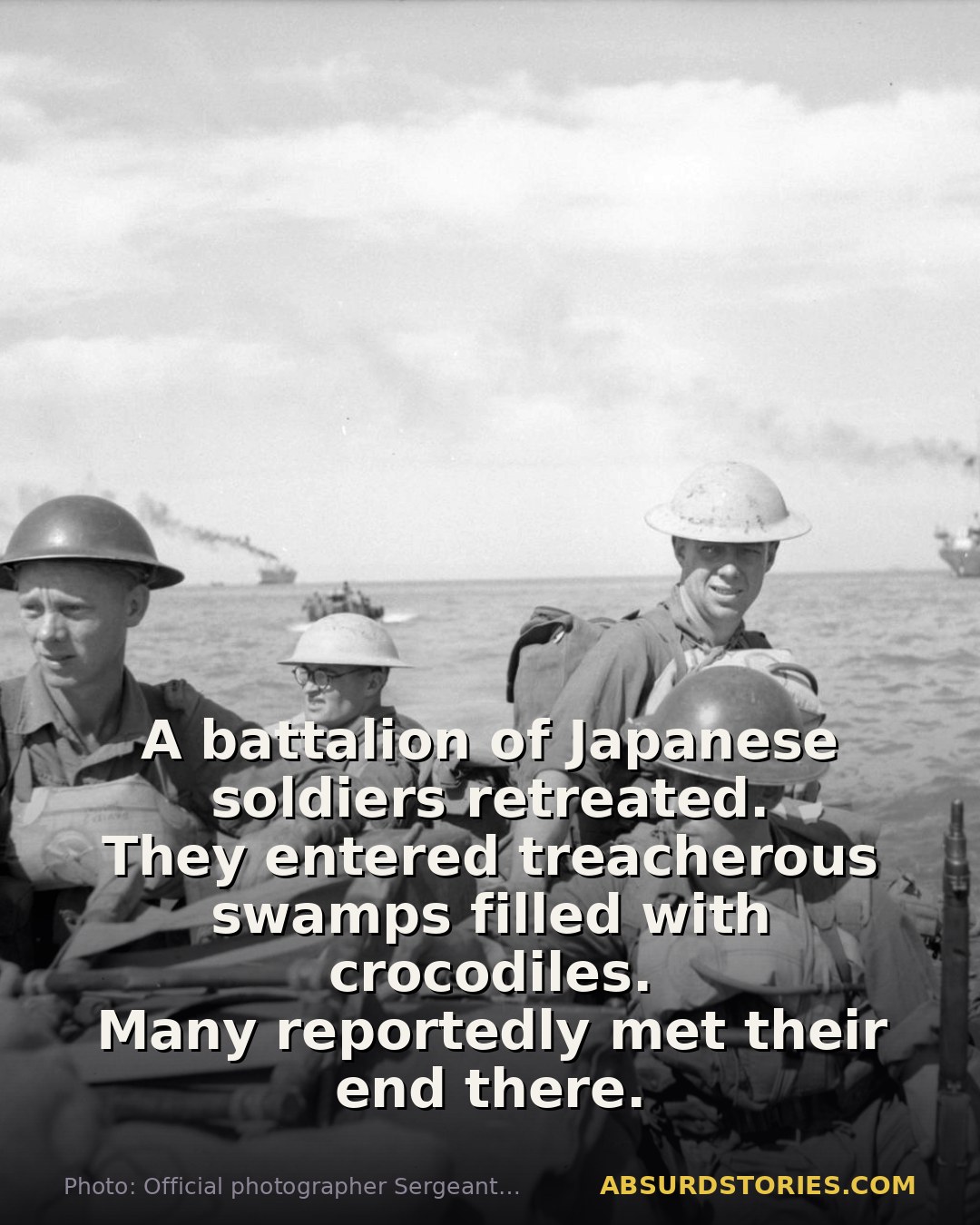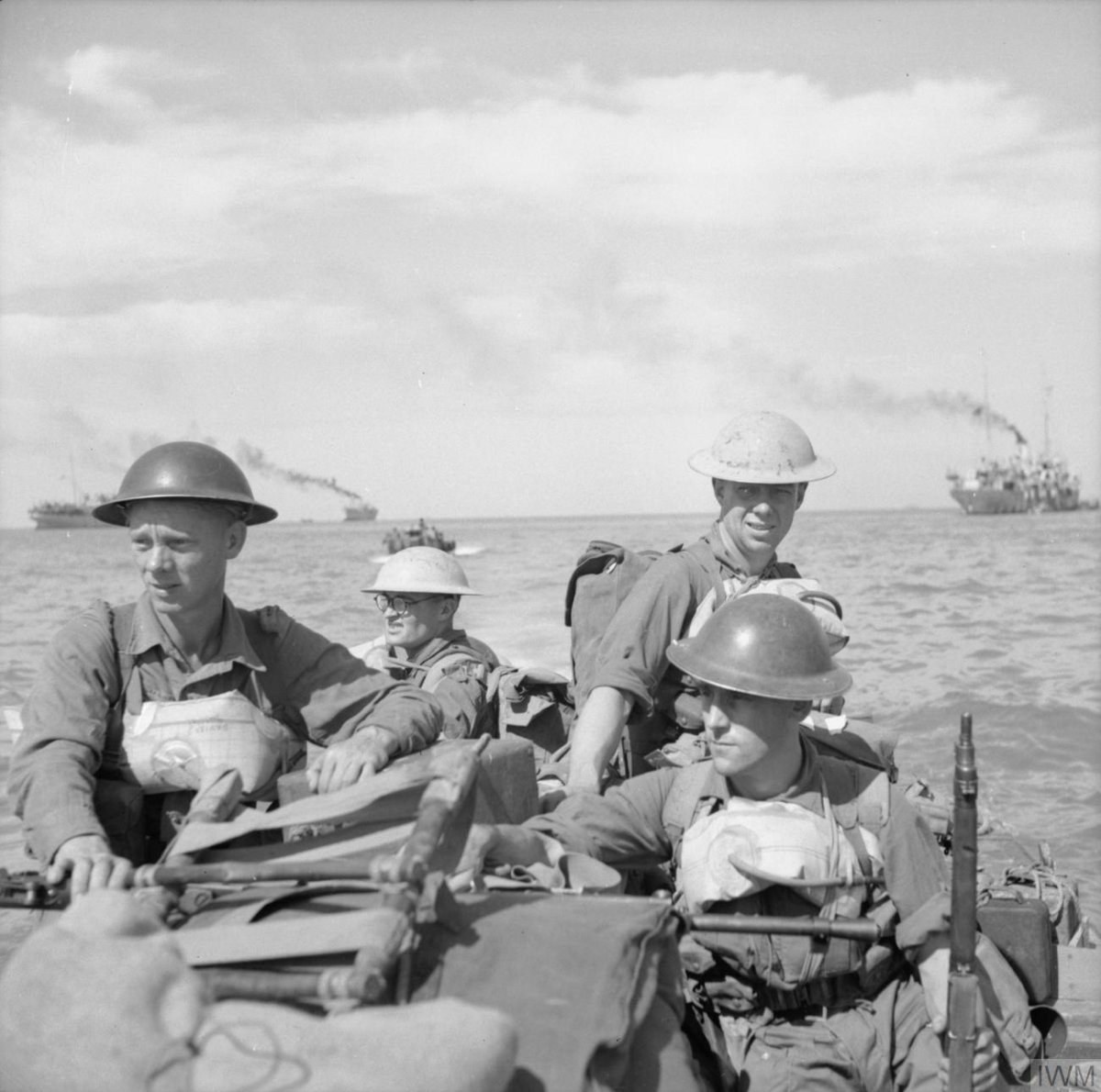
During World War II, a battalion of Japanese soldiers found themselves cornered on Ramree Island. They had been pushed back by Allied forces and retreated into mangrove swamps. The situation turned dire as they waded through treacherous territory.
Reports indicate that the soldiers faced not only the threat of enemy fire but also the lurking danger of crocodiles. As they struggled in the muddy conditions, many became victims of these reptiles. The swamps were a lethal environment, with tropical diseases and aggressive wildlife compounding their plight.
According to various accounts, the number of Japanese fatalities attributed to crocodiles was alarming. Some sources reportedly claimed it to be the highest number of deaths caused by animals in recorded history. However, modern historians and zoologists have questioned the validity of these claims, suggesting that the figures may have been exaggerated.
The battle itself lasted from January to February 1945, culminating in the encirclement of Japanese forces and their eventual defeat. While the final toll of soldiers lost to crocodile attacks remains disputed, the absurdity of soldiers falling prey to wildlife in such a critical military engagement has been a lasting part of the battle's legacy.
In the end, Ramree Island became a symbol of the unpredictable dangers of warfare, where nature proved to be as formidable an enemy as any soldier.