Across the world, certain locations are believed to serve as entrances to the underworld. These so-called gates of hell can be found in areas characterized by unique geological features, such as volcanic formations, caves, and lakes.
In ancient Greece and Rome, legends spoke of mortals who ventured into the underworld through these gates. Aeneas, for instance, is said to have entered the realm of the dead through a cave at Lake Avernus, while Hercules is also linked to this entrance. In the Roman Forum, another gate known as Lacus Curtius is associated with a soldier who reportedly rode into it to prevent its opening, although both he and his horse perished in the deed.
Other mythological entrances include the river Acheron, which Odysseus crossed in his journey to the underworld, and a cave at Cape Tenaron where Orpheus descended in search of Eurydice. In Turkey, the site known as Pluto's Gate has been identified as a possible entry point to the underworld, emphasizing its significance in Greco-Roman mythology.
As time progressed into the Middle Ages, the idea of Mount Etna in Sicily emerged as another potential gateway to hell. Artistic representations often depicted these gates as monstrous jaws, emphasizing their fearsome nature.
In modern times, the Gates of Hell have inspired artists, notably Auguste Rodin, who created a set of bronze doors that symbolize this theme. Commissioned in 1880, Rodin's work took seven years to complete, featuring over 200 figures and drawing inspiration from Dante's Inferno.
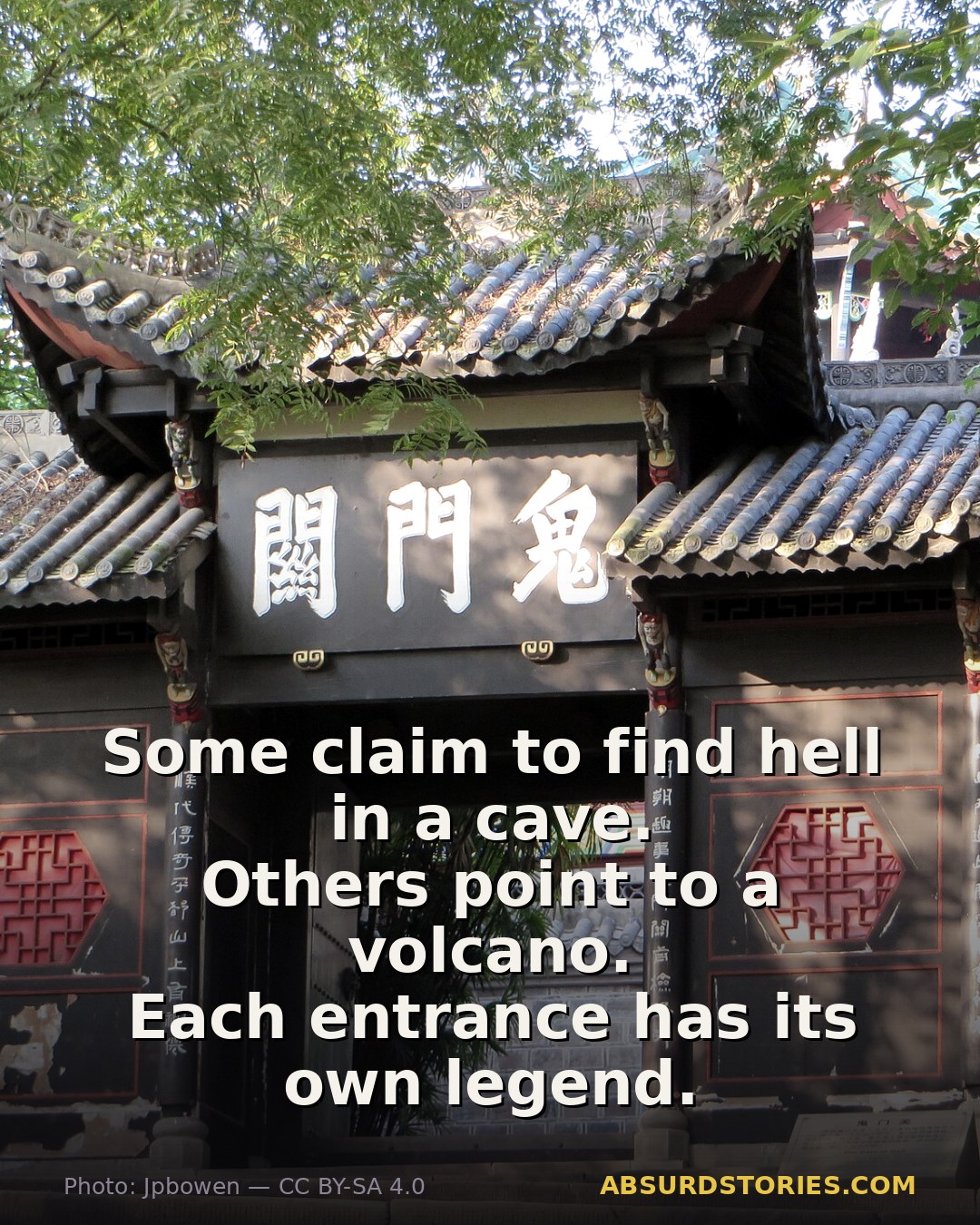
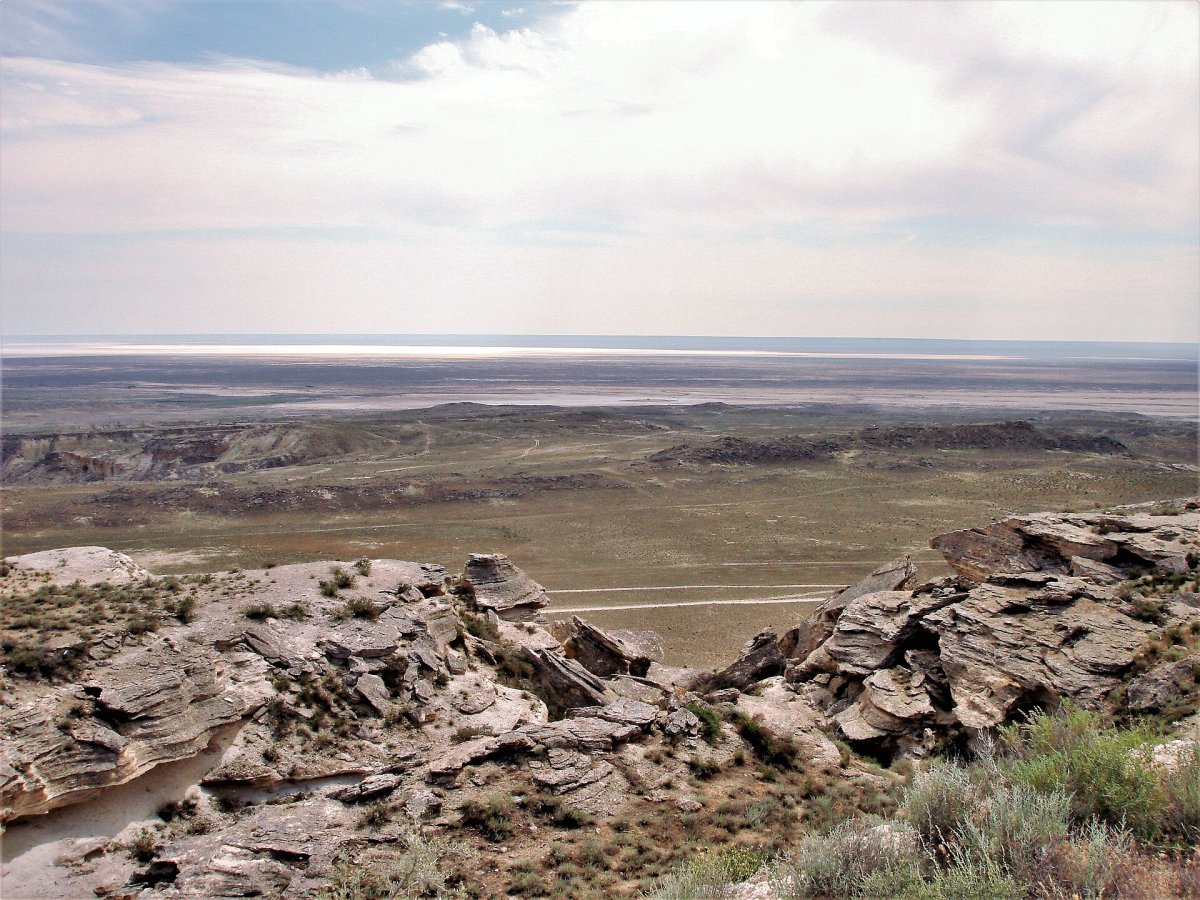
Globally, various other regions have also been linked to the concept of hellish entrances. In China, Fengdu holds a longstanding reputation in the Taoist tradition as a portal to the afterlife. Meanwhile, in Turkmenistan, a natural gas fire in the Karakum Desert is known as the Door to Hell, continuously burning in a dramatic display.
Hawaiian folklore references Waipio Valley as a hidden entrance to the lower world, and Mount Osore in Japan is similarly regarded. In Nicaragua, the Masaya Volcano is called the 'mouth of hell' and is a popular destination for those intrigued by its volcanic activity.
In religious contexts, the phrase 'gates of hell' has been used metaphorically in sermons, such as one delivered by Rev. Thomas De Witt Talmage in 1878, where he highlighted various societal ills.
These global tales not only reflect humanity's fascination with the afterlife but also the cultural significance attached to these natural phenomena. The idea of entering another realm remains a powerful narrative thread woven throughout history.