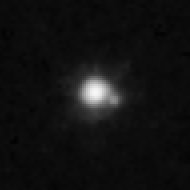
In the far reaches of the Solar System lies a dwarf planet candidate with a surprising name. Gǃkúnǁʼhòmdímà is a large binary trans-Neptunian object. Its name is derived from the Juǀʼhoansi (ǃKung) people of Namibia.
Discovered in 2007, Gǃkúnǁʼhòmdímà is about 600 kilometers in diameter. It includes a moon named Gǃòʼé ǃHú, which translates to an oryx horn. This cosmic body is not merely a collection of rocks; its name reflects a rich cultural heritage.
The story behind the name is fascinating. In local mythology, Gǃkúnǁʼhòmdímà is depicted as an aardvark defending her people. She uses spines, hail, and her horn as weapons against threats. This blend of astronomy and mythology is a rarity, making it a unique point of interest.
The naming of celestial bodies often overlooks cultural significance. However, Gǃkúnǁʼhòmdímà stands out. It demonstrates how mythology can reach far beyond earthly bounds, influencing even the cosmos.
While Gǃkúnǁʼhòmdímà orbits the Sun every 620 years, its name and story resonate with the traditions of the Juǀʼhoansi people. The combination of science and cultural narrative adds layers to our understanding of the universe.
On one hand, Gǃkúnǁʼhòmdímà shows the complexity of distant objects in our solar system. On the other, it highlights the importance of cultural identity in naming these celestial phenomena.
Ultimately, Gǃkúnǁʼhòmdímà is more than a dwarf planet; it is a guardian in the sky, echoing the tales of its earthly counterparts.