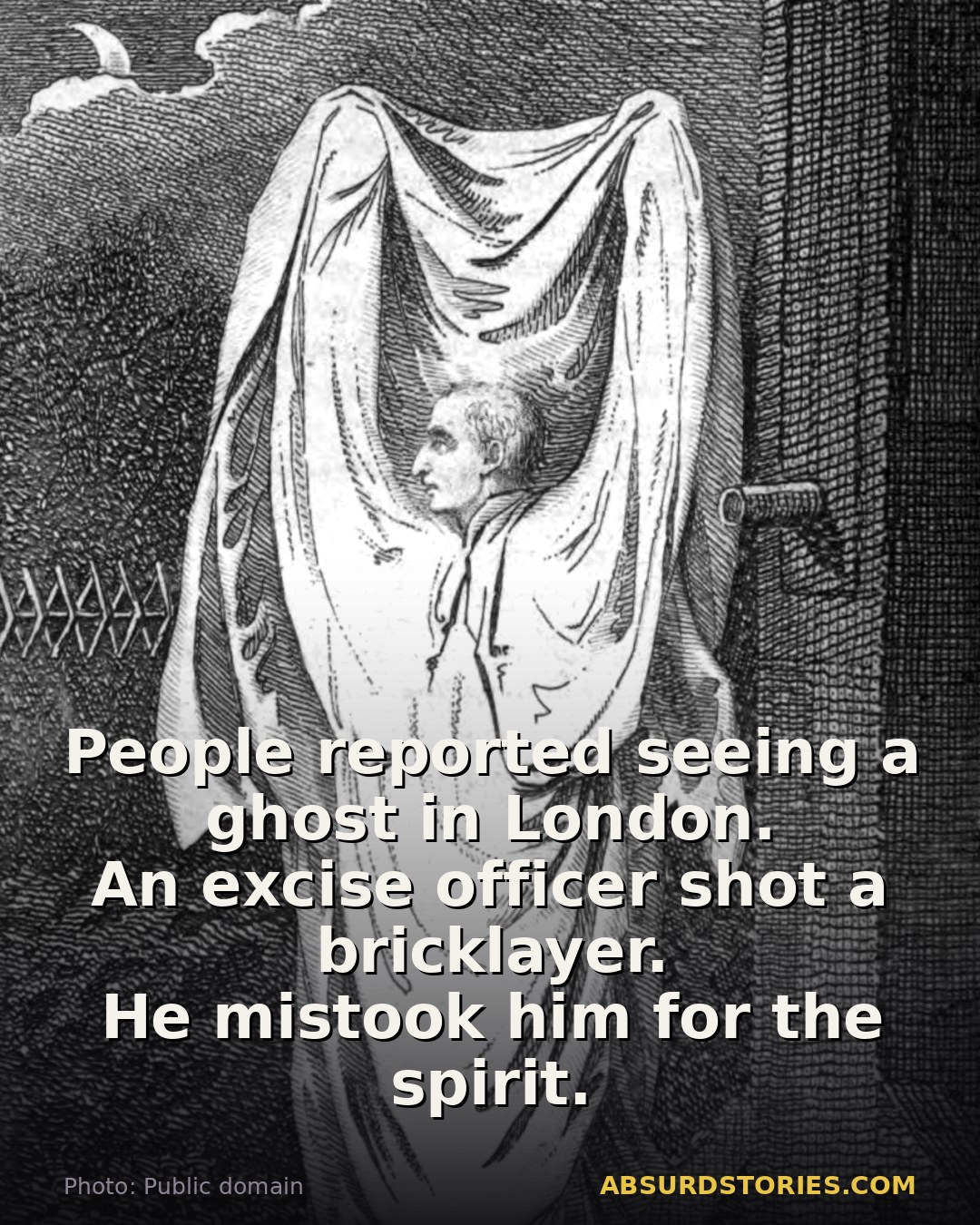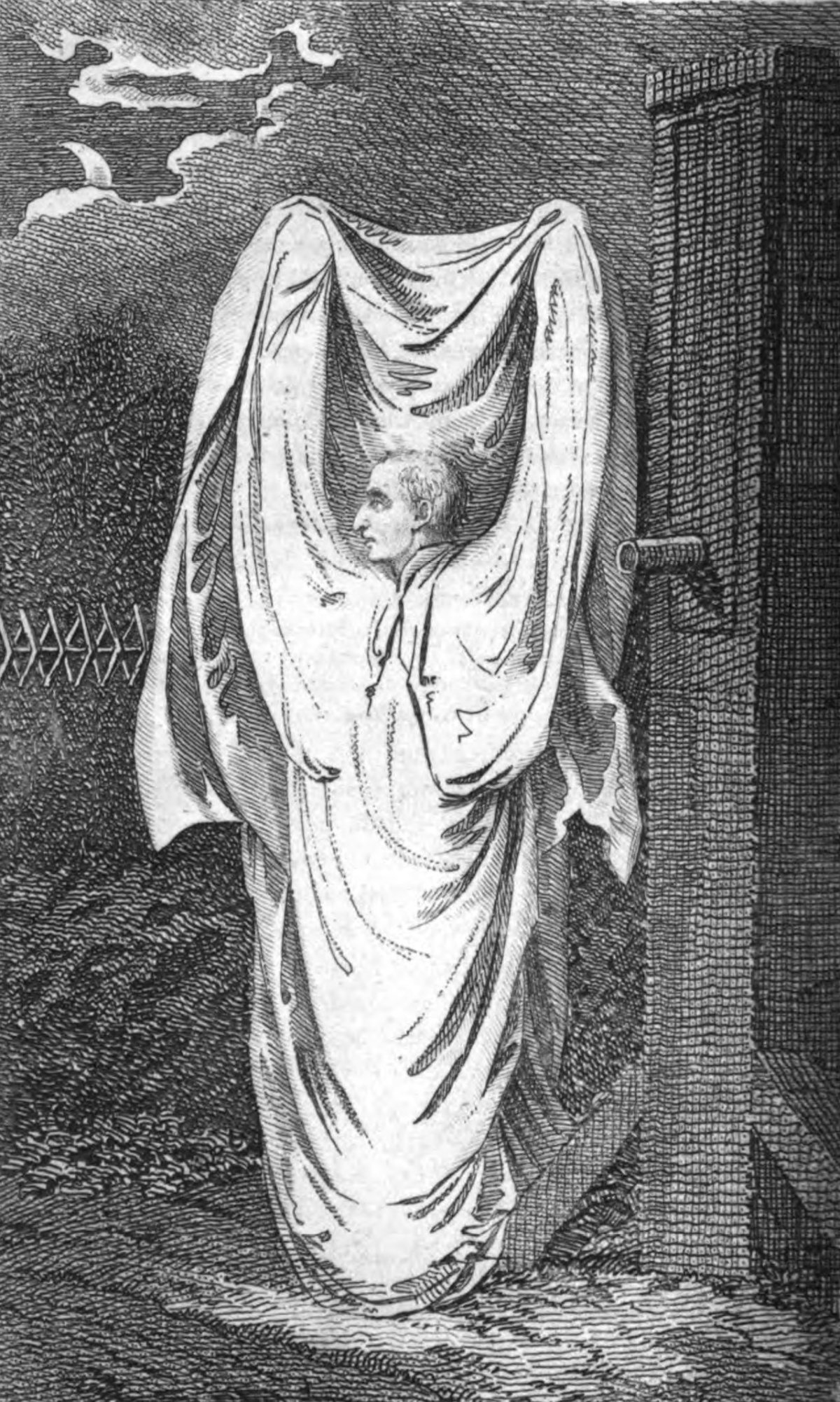
The streets of Hammersmith were gripped by fear in late 1803. Reports of a ghost, said to be the spirit of a suicide victim, spread rapidly. The apparition was described as tall and dressed in white, leading many to believe the ghost was haunting the area.
On January 3, 1804, Francis Smith, an excise officer, went out with a shotgun to confront the spectral figure. Earlier that evening, he had encountered Thomas Millwood, a bricklayer dressed in white work clothes. Smith, believing he was facing the ghost, challenged Millwood and shot him in the jaw, killing him instantly.
Smith was arrested at the scene, visibly shaken by the events. Millwood’s body was examined, revealing the fatal gunshot wound. The subsequent trial focused on Smith's intention and the nature of his actions. Witnesses, including Millwood's sister, indicated that Smith had shot without sufficient provocation.
The court ultimately decided that mistaken belief could not absolve Smith of responsibility. He was convicted of murder, but his sentence was later reduced to a year of hard labor. This case set a significant legal precedent regarding self-defense in the UK, illustrating the tragic consequences of fear and misunderstanding.
For 180 years, the implications of the case were debated, until a Court of Appeal ruling finally addressed the lingering legal questions.