Lahemaa National Park boasts a rich history and diverse landscapes, making it a unique destination in northern Estonia. The park covers a vast area, including both land and sea, and features stunning natural beauty alongside historical significance.
The name Lahemaa translates to 'Land of Bays,' referring to the four large peninsulas and bays that characterize the region. Established in 1971, it was the first national park designated in the former Soviet Union, and today it stands as the largest park in Estonia.
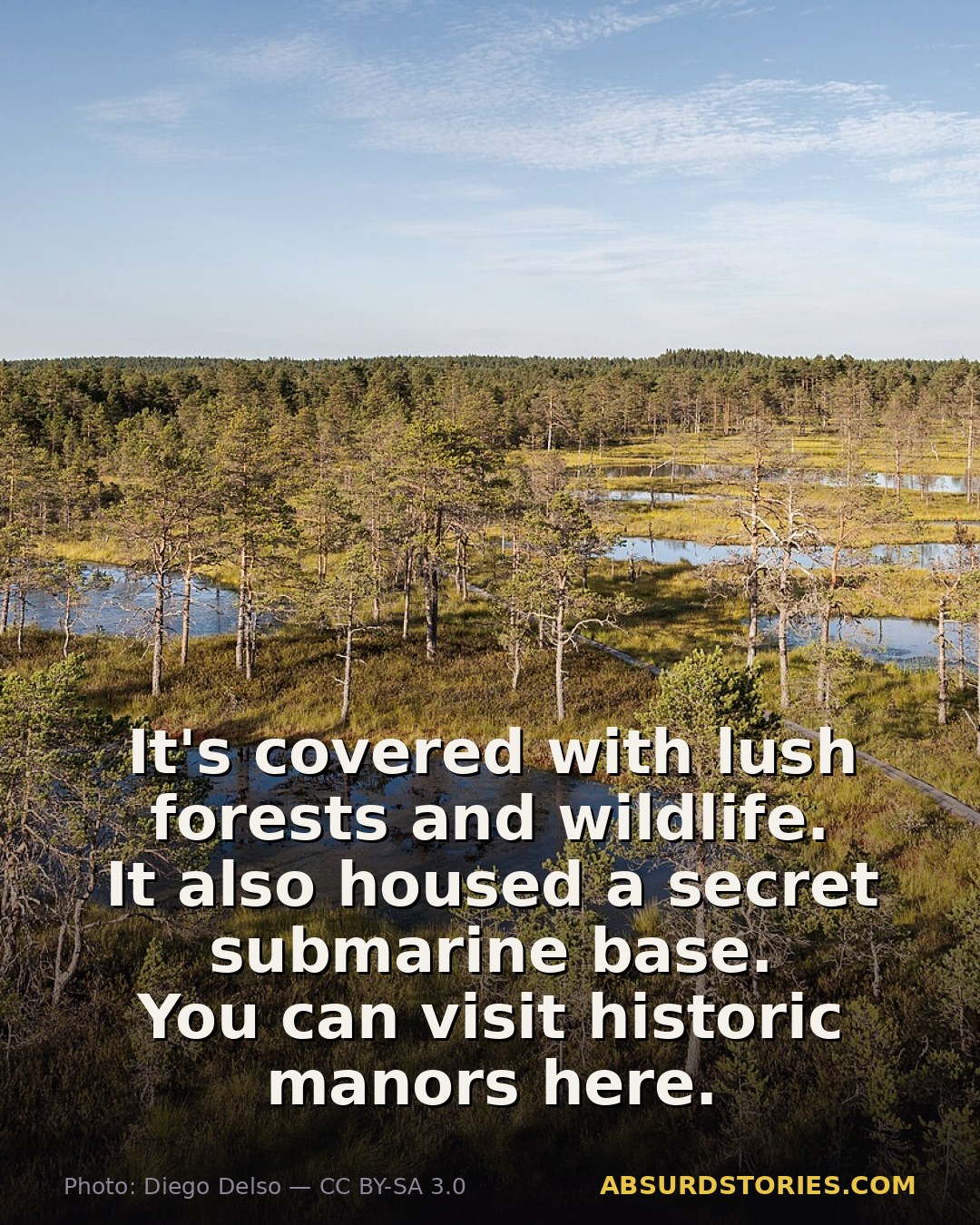
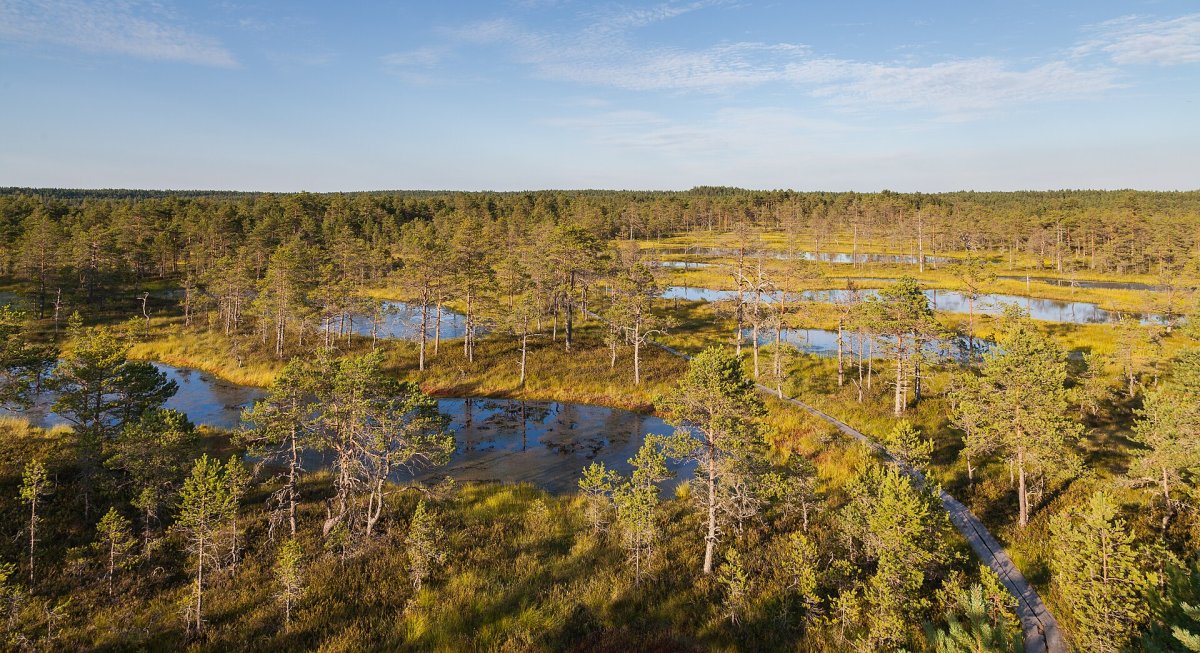
Visitors can explore the lush forests that cover more than 70 percent of Lahemaa. The park is home to various wildlife, including wild boar, red deer, grey wolves, brown bears, and Eurasian lynxes. Additionally, the landscape includes ancient raised bogs, such as the Laukasoo Reserve, which has existed for over 7,000 years.
Lahemaa also features four notable manors: Palmse, Vihula, Kolga, and Sagadi. Together, these manors represent an unusual group of historical architecture in Estonia, with Sagadi being the most visited.
However, Lahemaa's history includes a darker chapter. Before Estonia regained independence in 1991, a large Soviet submarine base operated nearby. Built during the Cold War, remnants of this base can still be found within the park's boundaries, adding an intriguing layer to its natural beauty.
The park remains a popular tourist attraction, drawing visitors keen on exploring its rich ecosystems, diverse wildlife, and unique historical sites.