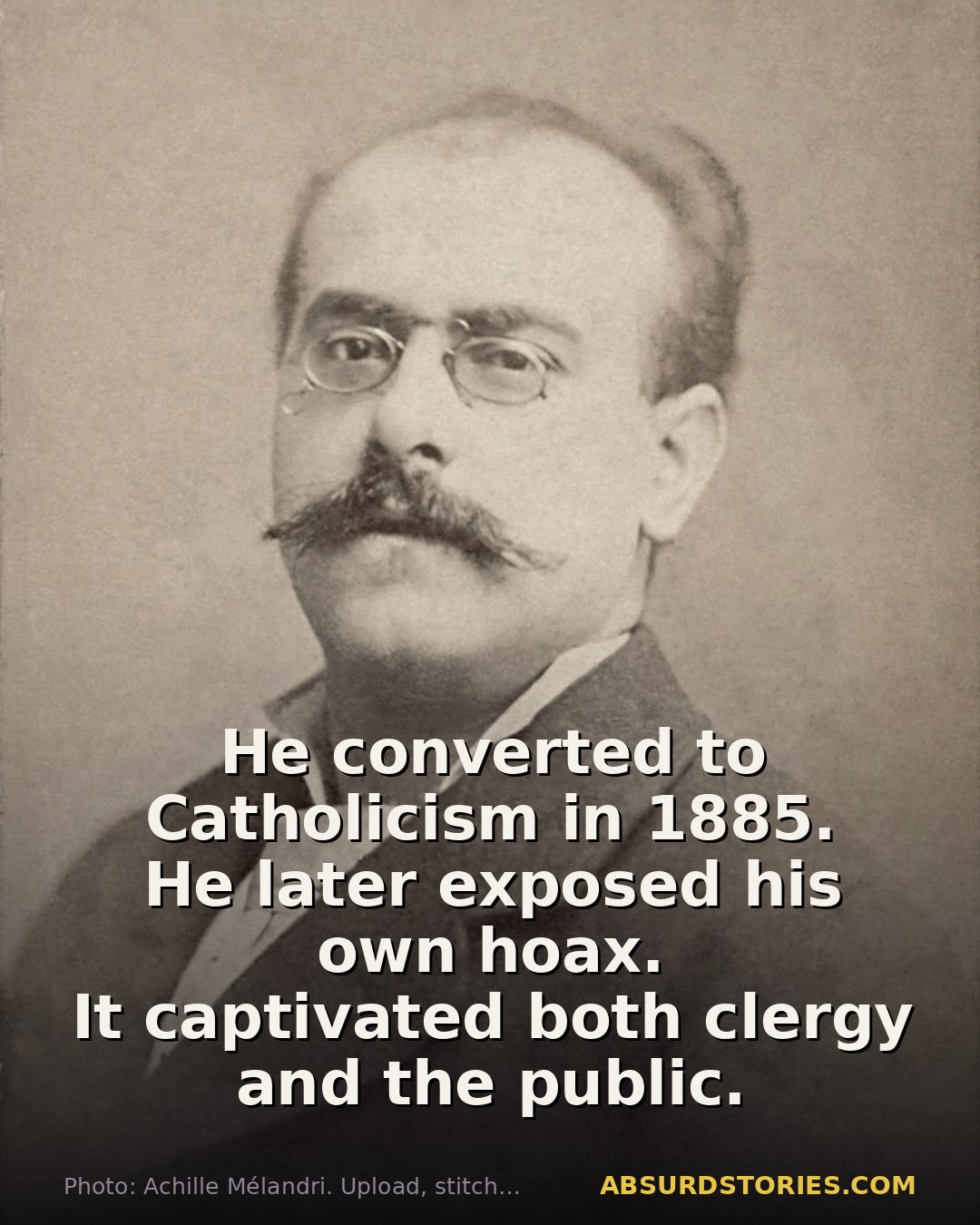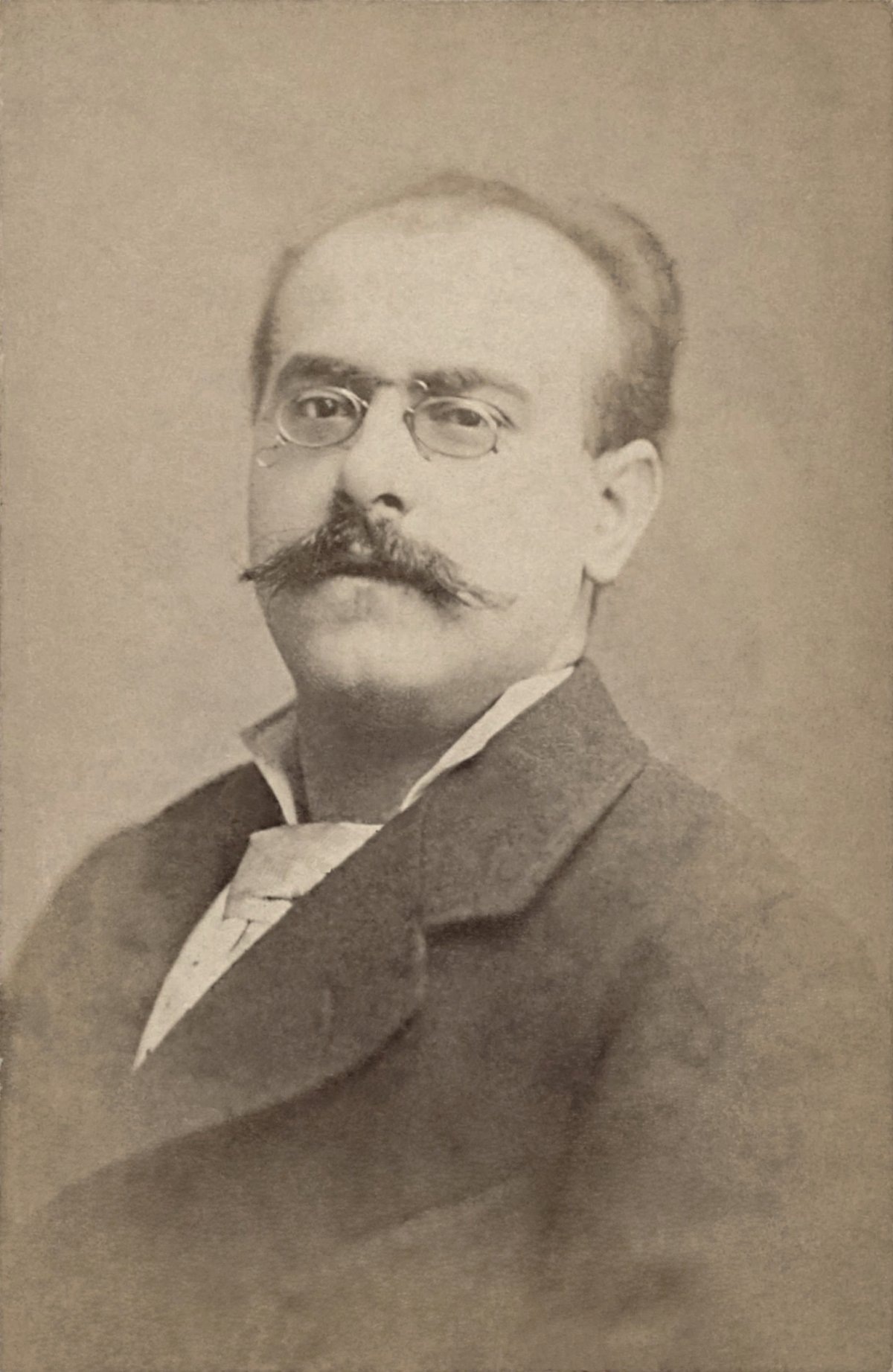
In a twist that shocked many, a writer known for vehemently opposing the Catholic Church staged a remarkable hoax that captivated both clergy and the public alike. This writer, known for his anti-Catholic literature, renounced his earlier works and professed his conversion to Catholicism in 1885. Yet, this conversion was merely a precursor to an elaborate deception.
In the 1890s, he began crafting a narrative that accused Freemasons of devil worship. He claimed that a mysterious author named Diana Vaughan had provided him with confessions about a sinister cult linked to Freemasonry. Despite Vaughan's never having been seen in public, his claims gained traction among fervent Catholics, leading to a significant sales boost for his publications.
In a dramatic turn of events, skepticism about Vaughan's existence grew over time. On April 19, 1897, during a lecture, he announced that both his accusations against Freemasons and his conversion to Catholicism were fabrications. The audience, including several priests, was taken aback by this revelation.
Ultimately, the writer known as Léo Taxil left behind a legacy not just of controversy but also of theatrical absurdity in the world of 19th-century religious critique. His ability to captivate and then perplex an audience speaks to the strange intersections of belief and deception.