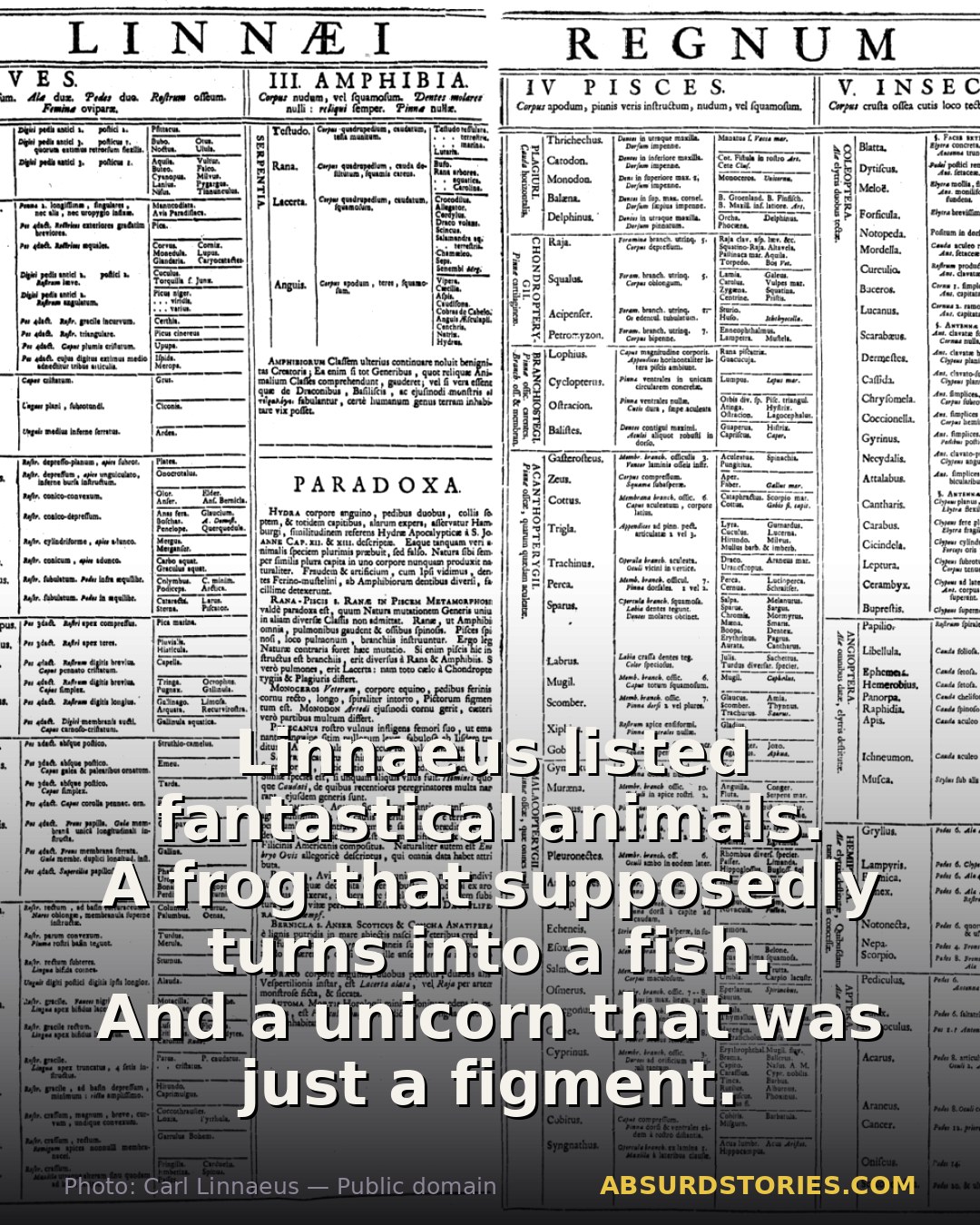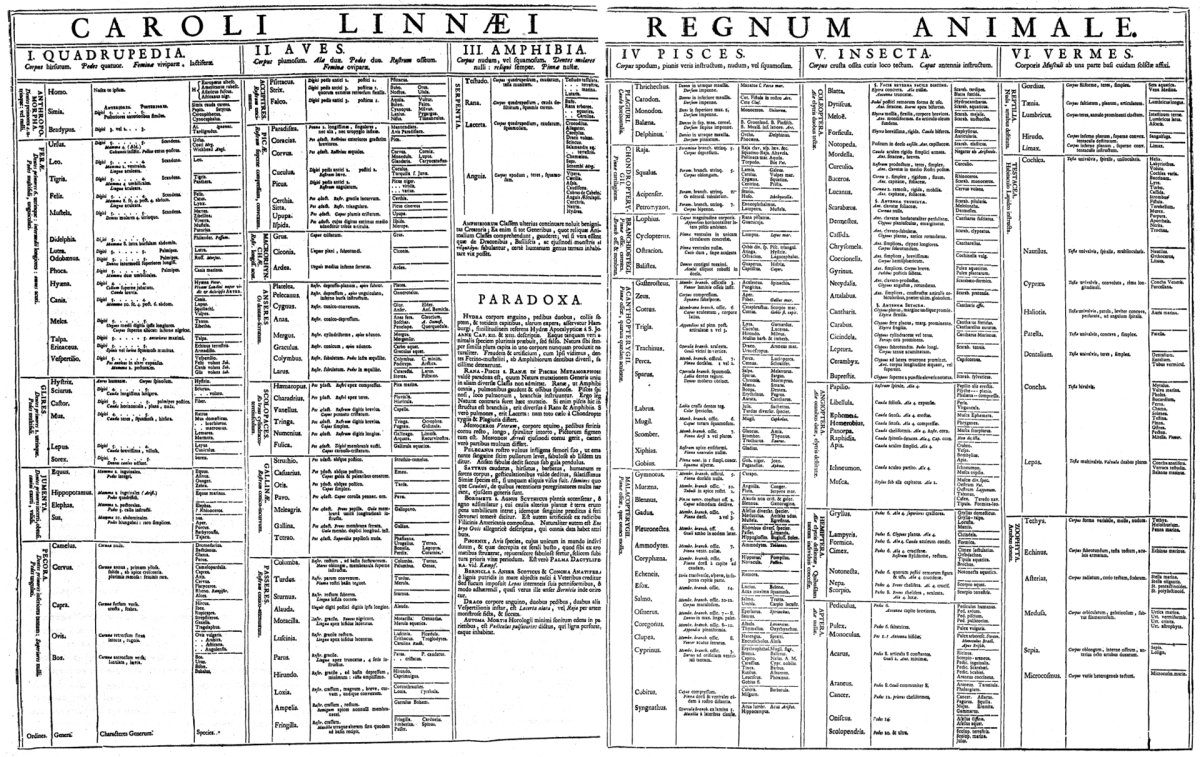
In a time when the line between myth and reality was often blurred, Carl Linnaeus included a collection of mythical creatures in his early classifications of animals. These entries appeared in the first five editions of his influential work, Systema Naturae, under the title Animalia Paradoxa, or 'contradictory animals'. The creatures listed were a mix of folklore, explorer reports, and fanciful imagination.
Among these creatures was the Hydra, described as a snake-like body with multiple heads. Linnaeus dismissed it as a false species, based on observations of a creature with weasel teeth. Another entry was the Rana-Piscis, a frog mistakenly believed to metamorphose into a fish, which Linnaeus argued was against the laws of nature.
Then there was the Monoceros, thought to be a unicorn. Linnaeus argued that this mythical beast was nothing more than artistic imagination, confusing the narwhal's horn with a horse-like body. One entry, the pelican, included a bizarre tale of it allegedly wounding itself to feed its young, a story Linnaeus attributed to overactive imaginations.
The entries were not limited to familiar creatures. Linnaeus also documented the Borometz, or Scythian Lamb, which was described as a plant resembling a lamb. This peculiar entry was attributed to travelers bringing back strange tales from distant lands. The notion of the Phoenix, a bird that resurrects from its ashes, was also included, though Linnaeus hinted it referred more to the date palm than a mythical bird.
As he refined his classification system, Linnaeus decided to drop these strange entries by the sixth edition, focusing instead on scientifically verifiable species. Yet, the existence of these paradoxical creatures in his early works showcases the fascinating interplay between myth and emerging science in the age of exploration.
Ultimately, Linnaeus's Animalia Paradoxa reflects a time of wonder and curiosity about the natural world, where the boundaries of reality were still being explored.