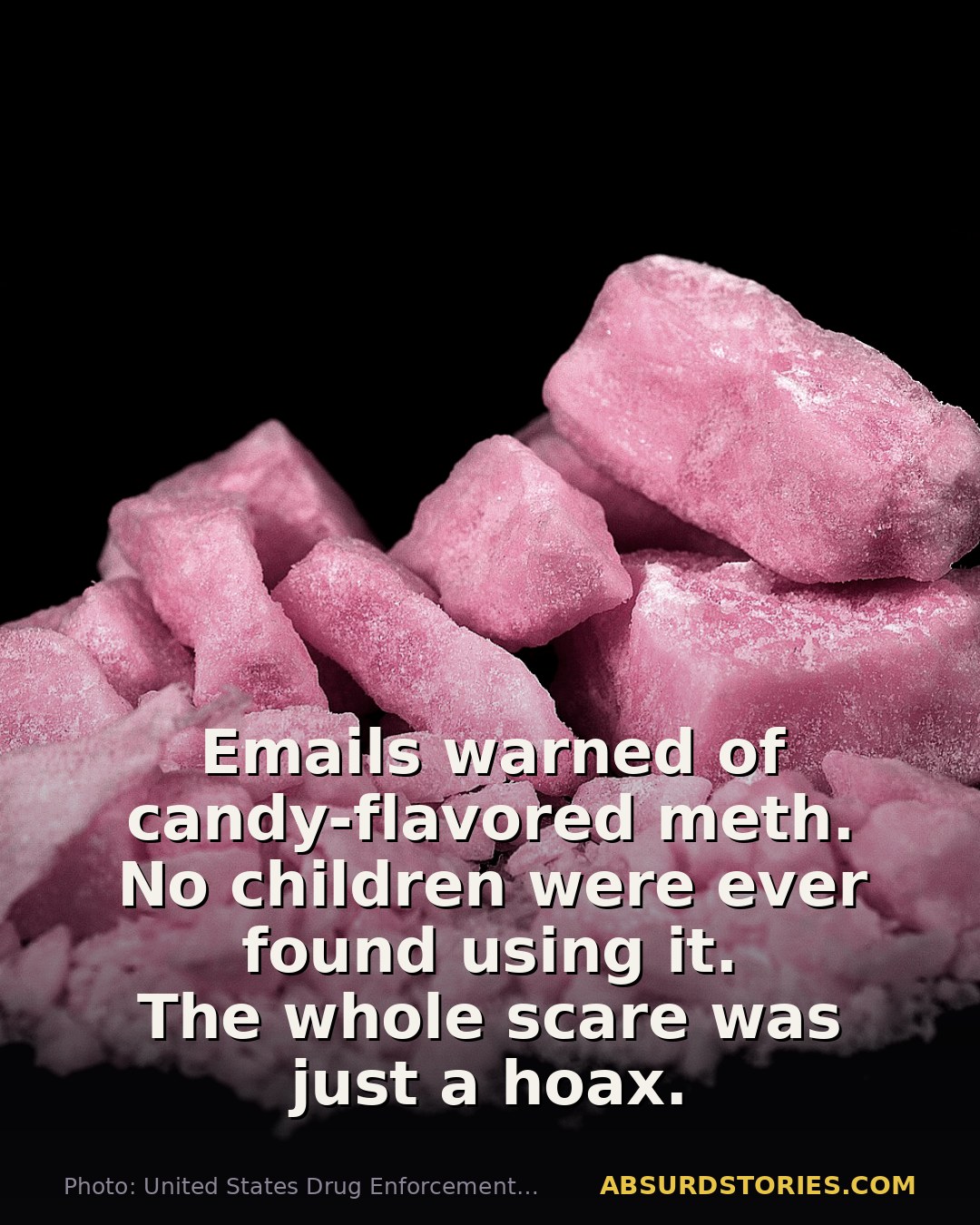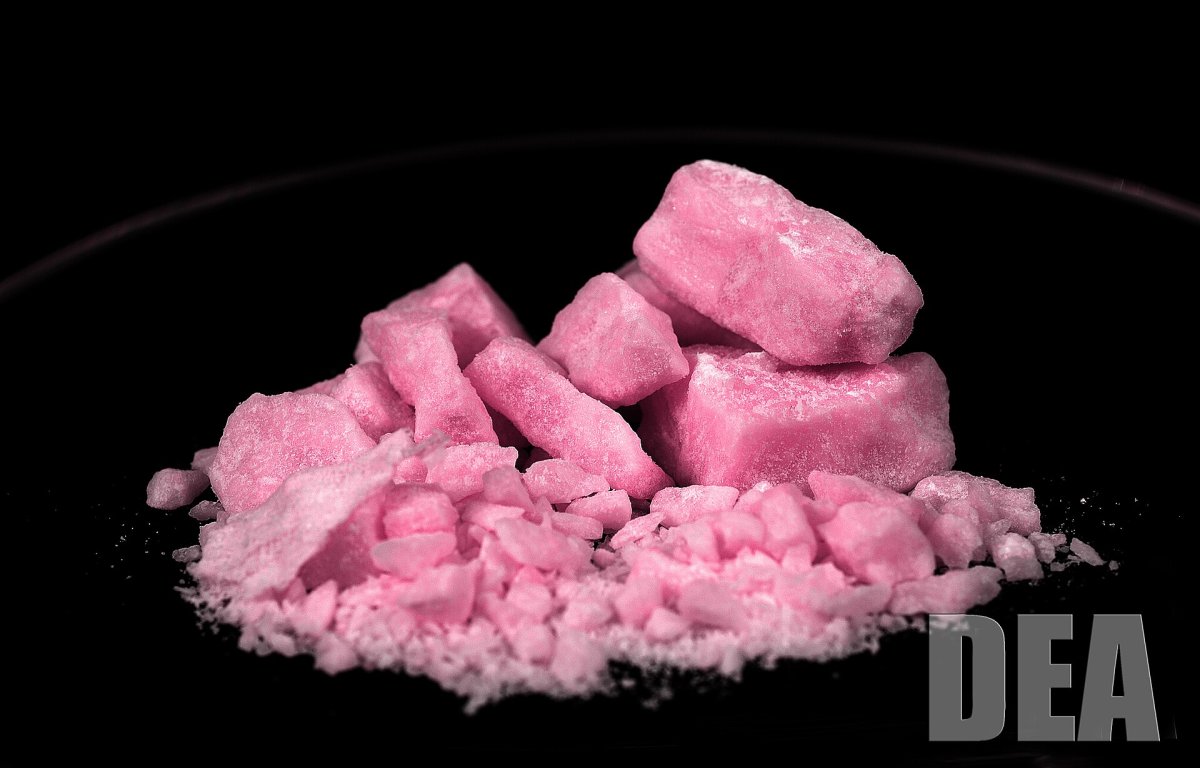
A panic swept through communities in 2007. Reports circulated about a dangerous new trend: methamphetamine disguised as Strawberry Quik, seemingly aimed at children. The idea was absurd enough to raise alarm yet lacked any real evidence.
Emails claimed that drug dealers were using pop rocks to mask the taste of meth, making it more appealing to children. Parents were warned about their unsuspecting kids being targeted with flavored meth packaged like candy. However, according to investigations, there were no verified cases of children actually using flavored meth.
This hysteria was fueled by urban legends and sensationalized reports. While colored crystal meth does exist, the notion that it was being handed out to children was never substantiated. Law enforcement officials pointed out that drug dealers typically target individuals with regular incomes, significantly reducing the likelihood of children being involved.
Some flavored meth was reportedly seized in locations like Carson City, Nevada. However, the cases were few, and the connection to children remained tenuous at best. The concept of “strawberry meth” likely stemmed from the common practice of drug manufacturers branding their products with unique colors to make them more marketable.
The panic over Strawberry Quik meth served as a reminder of how quickly misinformation can spread, especially concerning drug use and children's safety. Ultimately, the fear was based more on speculation than reality, leaving behind a series of exaggerated claims that blurred the lines between truth and fiction.