
Conspiracy theories have captivated human curiosity for centuries, weaving tales of secret societies, government cover-ups, and unbelievable truths that challenge conventional narratives. These narratives, often shrouded in mystery and intrigue, have left an indelible mark on history, influencing public perception and sparking debates that continue to ripple through time.

From the enigmatic assassination of JFK to the moon landing hoax, these theories have transcended generations, fueling our insatiable thirst for alternative narratives and hidden truths. The Warren Commission’s conclusion on JFK’s assassination, the scientific debunking of the moon landing hoax, and the enduring mystery of Area 51’s alleged extraterrestrial technologies are just a few examples of how conspiracy theories have permeated historical events.

One of the most enduring conspiracy theories revolves around the Illuminati and secret societies, with claims of global manipulation and control. While the Bavarian Illuminati was a real historical entity disbanded in the 1780s, the modern iteration of this theory continues to captivate minds, despite the lack of concrete evidence.

The death of Princess Diana in 1997 sparked a flurry of conspiracy theories, with speculations ranging from paparazzi involvement to orchestrated plots. However, investigations ultimately pointed to reckless driving and paparazzi pursuit as the primary causes of the tragic accident, dispelling notions of foul play.

Similarly, theories surrounding the Philadelphia Experiment, 9/11 inside job allegations, and the Shakespeare authorship question have stirred controversy and debate. While witness testimonies and historical accounts may lend credence to these theories, critical analysis often reveals factual inconsistencies and logical fallacies.
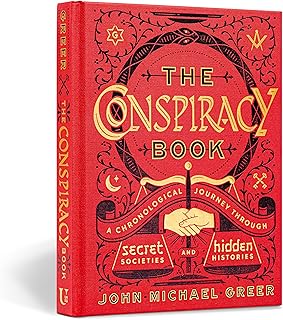
The Bermuda Triangle mystery and the Great Fire of Rome are among the enduring enigmas that continue to fascinate historians and conspiracy theorists alike. These tales of inexplicable disappearances and alleged arson shed light on the human fascination with the unknown and the unexplained.
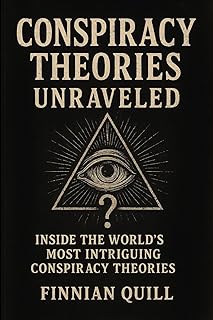
Despite the persistent allure of conspiracy theories, historical facts and critical thinking remain essential tools in discerning truth from fiction. The evolution of storytelling, from ancient myths to modern-day conspiracies, underscores the intricate interplay between reality and imagination that shapes our understanding of the past.
As we navigate the complex tapestry of history’s most famous conspiracies, we are reminded of the blurred lines between fact and fiction, truth and speculation. These narratives, steeped in intrigue and mystery, challenge us to question established beliefs and delve deeper into the enigmatic realms of human history.
In a world where conspiracies abound and truths are often obscured, the quest for knowledge and understanding remains a timeless pursuit. By unraveling the threads of history’s most enduring enigmas, we not only uncover hidden truths but also gain valuable insights into the intricate tapestry of human storytelling and the enduring allure of the unknown.
📰 Related Articles
- Unraveling Apollo Moonlanding Conspiracy Theories: Truth vs Fiction
- Geoengineering: Unraveling Weather Conspiracy Theories and Ethical Implications
- Verstappen’s Controversial Move Sparks F1 Conspiracy Theories
- Unveiling Automotive Industry’s Intriguing Conspiracy Theories
- Unraveling History’s Enigmatic Mysteries Through the Ages