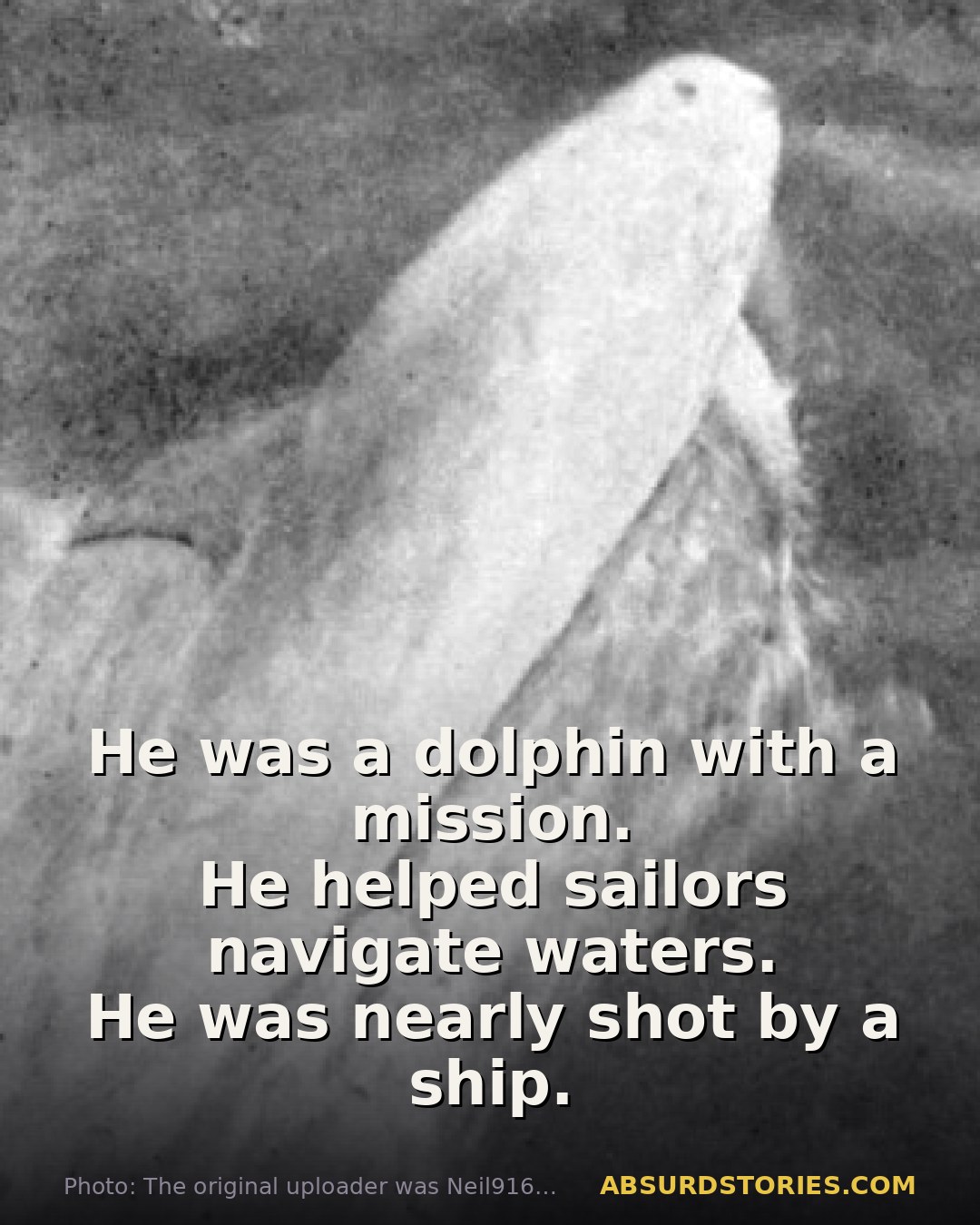
For over two decades, a dolphin known as Pelorus Jack became a guiding beacon for ships traversing the treacherous waters of New Zealand's Marlborough Sounds. This remarkable creature would appear at the entrance of Pelorus Sound, leading vessels safely through the dangerous French Pass, known for its strong currents and rocky hazards.
Pleased sailors relied on Pelorus Jack for safe passage. His assistance was so invaluable that no shipwrecks occurred when he was present, despite the channel's infamous reputation. His fame grew, leading to widespread sightings and mentions in local newspapers and postcards.
In 1904, a perilous incident occurred when a shot was fired at him from the SS Penguin. Miraculously, Pelorus Jack survived and continued to assist ships. However, the Penguin met a grim fate, shipwrecking in 1909, sparking superstition among sailors about the dolphin's protective powers.
Pelorus Jack's popularity prompted the New Zealand Government to issue a protective order in 1904, making him one of the first sea creatures legally safeguarded by law. His fate remained a mystery after he was last seen in April 1912. Rumors circulated about whalers and other dangers, but it is believed he likely passed away from old age.
Despite his disappearance, Pelorus Jack's legacy endures. He inspired a ferry service's branding and even a statue commemorating him was erected years later. The dolphin's tale serves as a reminder of the unique bond between humans and nature, as well as the absurdities that can arise in our shared histories.