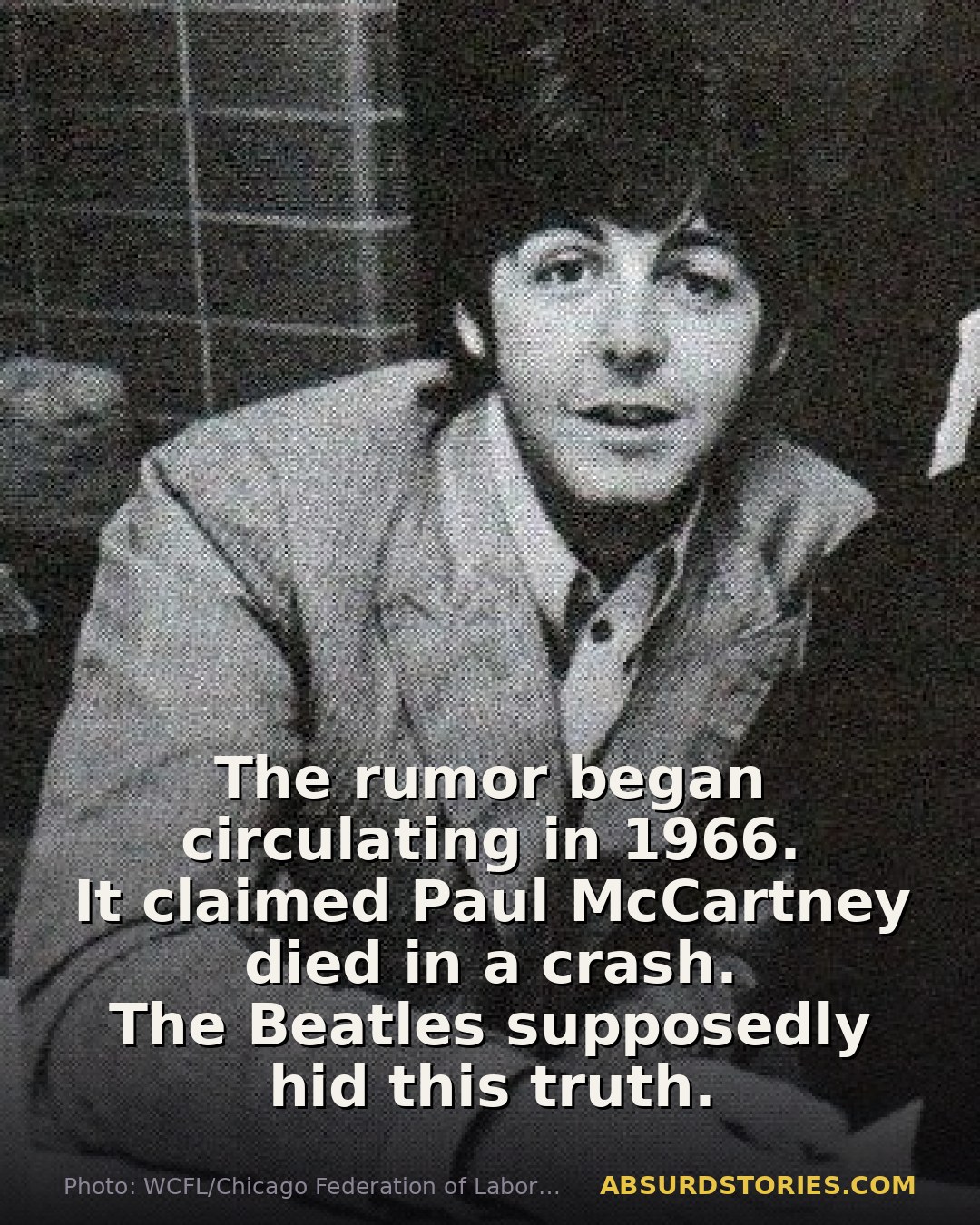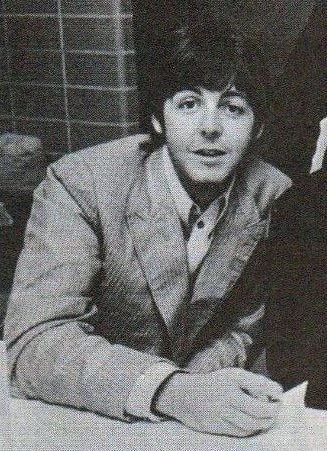
In 1966, a startling rumor emerged: Paul McCartney had died in a car crash. To spare fans the grief, the surviving Beatles reportedly replaced him with a look-alike. This theory gained traction, particularly in 1969, as people began to scour Beatles albums for hidden clues.
The whispers started circulating among college students in the U.S. By September 1969, an article in the Drake Times-Delphic questioned McCartney's fate, detailing supposed hints embedded in the band’s music. One of the most famous was a backward message in "Revolution 9" that sounded like "Turn me on, dead man."
Listeners began analyzing album covers as well. On the back cover of "Sgt. Pepper's Lonely Hearts Club Band," McCartney appeared to be the only Beetle not facing the viewer. He wore a badge interpreted as "OPD" — which supposedly stood for "Officially Pronounced Dead." In reality, the badge read "OPP" for Ontario Provincial Police.
The fascination grew, with fans detecting a plethora of supposed clues. The cover of "Magical Mystery Tour" featured a member in a strikingly different suit, fueling speculation about identity swaps.
Despite the absurdity of the theories, the Beatles chose not to dismiss them entirely. In October 1969, amidst widespread inquiries about McCartney's supposed death, the band's press officer confirmed they had received an overwhelming number of questions about it.
As the rumors fizzled out after McCartney was interviewed in late 1969, the phenomenon had already taken on a life of its own, leaving a lasting mark in pop culture. The absurdity of it all continues to resonate, raising questions about belief and conspiracy theories in society.